

Back Pain After a Car Accident







Back Pain After a Car Accident can begin immediately or develop after the initial shock of a collision. The cause may range from a muscle or ligament injury to a disc, vertebral, or nerve problem, so new or worsening symptoms should be medically evaluated. Sabbeth Law explains common injuries, warning signs, treatment considerations, and legal issues that may matter in Vermont and New Hampshire.
What Should You Know About Back Pain After a Car Accident?
Back pain after a car accident can come from injuries to muscles, ligaments, spinal discs, vertebrae, or nerves. Pain may begin immediately, or some symptoms may appear later, so the timing and severity of pain alone do not identify the underlying injury.
A crash can force the body forward, backward, or sideways in a short period of time. That movement can strain soft tissue, aggravate a disc, or injure structures in the cervical, thoracic, or lumbar spine. Whiplash most directly affects the neck, but it can also cause pain across the shoulders and upper back. Herniated discs may cause pain that travels into an arm or leg, along with numbness, tingling, or weakness.
Back pain should be medically evaluated when it follows a collision, particularly if it is severe, getting worse, or accompanied by neurological symptoms. A clinician may use a physical examination and, when appropriate, imaging such as X-rays, CT scans, or MRI to look for fractures, disc injuries, or other causes. Not every person with back pain needs imaging, so testing depends on the symptoms and examination findings.
The medical diagnosis can also matter if another driver’s negligence caused the crash. Treatment records may document the symptoms, diagnosis, and care that followed the collision.

Common Causes of Back Pain After a Car Accident
Back pain after a collision can come from several different injuries. The type of injury depends on the forces involved, the part of the spine affected, and the person’s medical condition before the crash.
Whiplash
Whiplash is a neck injury caused by a forceful, rapid back-and-forth movement of the neck and is commonly associated with rear-end crashes. Symptoms can include neck pain and stiffness, headaches, shoulder or upper-back pain, tingling, and dizziness. Symptoms often begin within days of the injury, although recovery varies from person to person.
Soft Tissue Injuries
Soft tissue injuries, such as strains and sprains, can affect the muscles, tendons, and ligaments supporting the back. These injuries may cause tenderness, stiffness, muscle spasms, or pain with movement. They may not be visible on a standard X-ray, so diagnosis can depend on the examination and symptoms.
Herniated Discs
A herniated disc occurs when material from inside a spinal disc pushes through a tear in its outer layer. When a herniated disc irritates or compresses a nearby nerve, it can cause pain, numbness, tingling, or weakness in an arm or leg. Some herniated discs cause no symptoms, so imaging findings must be considered together with the medical examination and symptoms.
Vertebral Fractures
A collision can fracture one or more vertebrae, particularly when the spine is exposed to substantial force. Symptoms can include localized back pain, pain that worsens with movement, or neurological symptoms if nearby nerves or the spinal cord are affected. CT or MRI may be used when a clinician suspects a serious traumatic spinal injury.
Facet Joint Injuries
Facet joints help guide and stabilize movement between the vertebrae. Trauma can injure the joint, its cartilage, or the surrounding capsule and contribute to neck or back pain. The symptoms can overlap with other spinal injuries, so diagnosis depends on the medical evaluation rather than symptoms alone.
Spinal Cord Injuries
A severe collision can injure the spinal cord or the structures surrounding it. Symptoms may include weakness, numbness, loss of sensation, or changes in movement below the level of injury. Suspected spinal cord injuries require urgent medical evaluation.
Contact UsWhy Can Back Pain Be Delayed After a Car Accident?
Back pain does not always begin at the scene of a crash. Some injuries produce symptoms gradually as inflammation develops or an irritated nerve begins causing pain, numbness, tingling, or weakness.
Whiplash symptoms, for example, often start within days rather than immediately. A herniated disc can also cause symptoms only when the disc irritates or compresses a nerve, and the exact symptoms depend on the location of the affected nerve.
Delayed pain should not be dismissed simply because you initially felt well after the collision. A healthcare professional can evaluate whether new back pain reflects a soft tissue injury, disc problem, fracture, or another condition. The timing of symptoms alone cannot establish the cause.
When Should You Seek Urgent Care for Back Pain After a Crash?
Some back-pain symptoms can signal nerve or spinal involvement and require prompt medical attention. Severe or worsening pain, weakness, numbness, difficulty walking, or changes in bladder or bowel control should not be ignored.
A herniated disc that severely compresses the bundle of nerves at the bottom of the spinal canal can, in rare cases, cause a medical emergency known as cauda equina syndrome. Warning signs can include worsening weakness, bladder or bowel problems, and loss of sensation around the inner thighs or areas that would touch a saddle.
You should also seek medical evaluation when pain travels into an arm or leg or is accompanied by tingling or weakness. These symptoms can indicate that a nerve is being irritated or compressed.
This section is informational and is not a substitute for medical advice. If symptoms seem severe or rapidly worsen after a collision, appropriate emergency or urgent medical care should take priority over insurance or legal concerns.
Symptoms to Watch for and Treatment Options
Symptoms can vary from stiffness and muscle spasms to radiating pain, numbness, tingling, or weakness. Treatment depends on the diagnosis, severity of the symptoms, and the person’s overall health.
A clinician may recommend medication, physical therapy, activity changes, or other conservative care. Imaging is not required for every case of back pain. An X-ray, CT scan, MRI, or another test may be ordered when the examination or symptoms suggest a fracture, disc injury, nerve problem, or another condition that needs further evaluation.
If conservative treatment does not improve a serious condition, referral to a specialist may be appropriate. Surgery is considered for selected injuries when medical findings support it, not simply because pain has continued for a particular number of days or weeks.
Treatment Options for Back Pain
Treatment should be based on the diagnosed injury rather than a one-size-fits-all plan. Common approaches can include physical therapy, medication, activity modification, and other conservative care recommended by a healthcare professional.
Physical therapy may focus on improving strength, mobility, and function. Medication may be used to manage pain or inflammation when appropriate. More invasive treatment, including injections or surgery, may be considered when symptoms, examination findings, and imaging support that approach.
Ongoing rehabilitation can also be important after a serious spinal injury or surgery. The appropriate plan depends on the diagnosis and should be directed by qualified medical professionals.
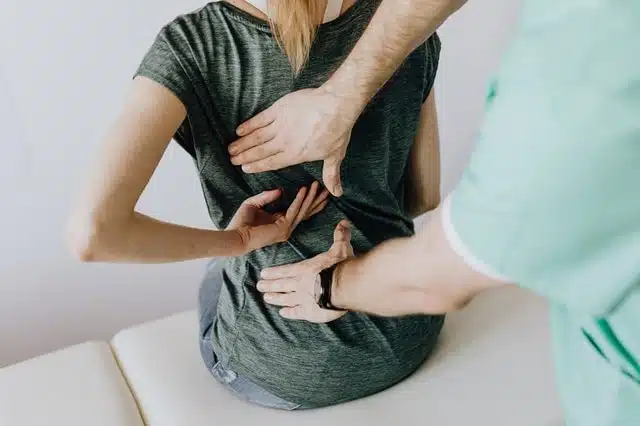
Steps to Take After Experiencing Back Pain
If back pain develops after a crash, the most useful steps are to obtain appropriate medical care and preserve accurate records. These actions can help with treatment and may also document how the symptoms developed after the collision.
Seek Medical Evaluation
A healthcare professional can examine the injury, identify warning signs, and decide whether testing or specialist care is appropriate. New or worsening symptoms should be discussed with a medical provider rather than self-diagnosed.
Document Injuries and Pain
Keep records of medical visits, diagnoses, treatment, medications, and changes in symptoms. It can also help to keep information about missed work and other ways the injury affects daily activities.
Follow Medical Advice
Use medications, exercises, braces, or other home-care measures only as directed by your healthcare team. If symptoms change or treatment causes new problems, tell the provider managing your care.
Consider Legal Guidance
If another driver may be responsible for the crash, legal guidance can help you understand insurance issues, evidence, and filing deadlines. Knowing when to get an attorney for a car accident can also help you decide when legal review may be useful.
Contact UsCompensation for Car-Accident Related Back Pain in Vermont
If another driver’s negligence caused a back injury, a personal injury claim may include documented losses such as medical expenses, lost income, and the physical effects of the injury. The amount and types of compensation available depend on the evidence, the injuries, available insurance, and the law that applies.
Documenting the Claim
Documenting a back injury claim means showing how the collision happened, what medical care followed, and how the injury affected the person’s daily life and finances. Useful records may include medical reports, treatment bills, proof of missed work, photographs, witness information, and correspondence with insurers.
Clear documentation can help connect the back injury to the crash and show the extent of the resulting losses. If fault or the severity of the injury is disputed, medical records and other evidence may become especially important.
Sabbeth Law can assist with gathering and reviewing this information, communicating with insurers, and identifying records that may support the claim. Each case depends on its own facts, and no particular settlement or verdict can be guaranteed.
How Fault Can Affect a Claim
Vermont and New Hampshire both use modified comparative-fault rules, which means an injured person may still recover compensation even if they share some responsibility for the crash. The amount recovered can be reduced based on the injured person’s percentage of fault.
In Vermont, 12 V.S.A. § 1036 allows recovery when the injured person’s negligence is not greater than the combined causal negligence of the defendant or defendants. If the injured person is partly at fault, the damages are reduced in proportion to that share of responsibility.
For example, if another driver caused a collision but the injured person was also speeding, fault may be divided between them. A person found 20% at fault would generally have an otherwise recoverable award reduced by 20%.
New Hampshire follows a similar modified comparative-fault approach under RSA 507:7-d. A claimant can generally recover as long as their fault is not greater than the combined fault of the defendants, with damages reduced according to the claimant’s percentage of fault.
These rules can matter in back-injury claims because insurers may dispute how the crash happened, whether a pre-existing condition contributed to the symptoms, or whether the injured person’s own driving played a role. Police reports, witness statements, photographs, vehicle damage, medical records, and other evidence may help clarify both fault and the connection between the collision and the claimed injury.

When Should You Get Legal Help for Back Pain After a Car Accident?
Back pain after a crash can affect work, sleep, mobility, medical costs, and everyday responsibilities. If another driver may be responsible, understanding the medical evidence and insurance issues can help you decide what to do next.
If you are dealing with ongoing back pain, new symptoms, or questions about compensation after a collision, contact us to discuss your situation. We can explain what information may matter, what deadlines may apply, and how the claim process works while you continue focusing on your medical care and recovery.
FAQs About Back Pain After a Car Accident
Can a Minor Car Accident Cause a Serious Back Injury?
It can. The seriousness of an injury cannot always be determined from vehicle damage or the apparent severity of the crash alone. A medical evaluation is needed to determine the cause of pain and whether there is a significant spinal or soft tissue injury.
Can a Car Accident Make an Existing Back Condition Worse?
Yes. A collision may aggravate a pre-existing back condition even when the condition existed before the crash. Medical records from before and after the accident may help distinguish the prior condition from new or worsened symptoms.
Can I Have a Herniated Disc Without Severe Back Pain?
Yes. Some herniated discs cause no symptoms. Others can cause pain, numbness, tingling, or weakness when the disc irritates a nearby nerve.
Does Back Pain Have to Appear Immediately for an Injury Claim?
No. Some symptoms can develop after the collision rather than at the scene. The medical evidence, diagnosis, and timing of symptoms can all matter when evaluating whether the condition is related to the crash.
How Long Do I Have to Bring a Car Accident Injury Claim?
Deadlines depend on the state and circumstances. Vermont generally applies a three-year period after an injury claim accrues under 12 V.S.A. § 512. New Hampshire generally applies a three-year period under RSA 508:4, with a discovery rule in specified circumstances. Exceptions can change the deadline, so it should be reviewed based on the individual claim.
Contact UsClient Testimonials
“Immediately after my son’s injury at work, he was treated poorly. Over the course of the next few days it became even worse, so I called Mike and he and Crystal have been absolute lifesavers during the process. Mike is not your typical stuffed suit lawyer who only cares about the bottom line he genuinely cares about his clients and his assistant Crystal is beyond amazing! My thanks to you both!”
LUKE PARMENTER
“I could never ask for a better attorney, to fight for me, to believe in me, and have faith in me, than what I found in Mike Sabbeth, He doesn’t treat you like a client, he treats you as if you are one of his own family members, He will fight for you, with all he has, and is ALWAYS up front and honest with you about everything!”
SANDRA DRUGE