
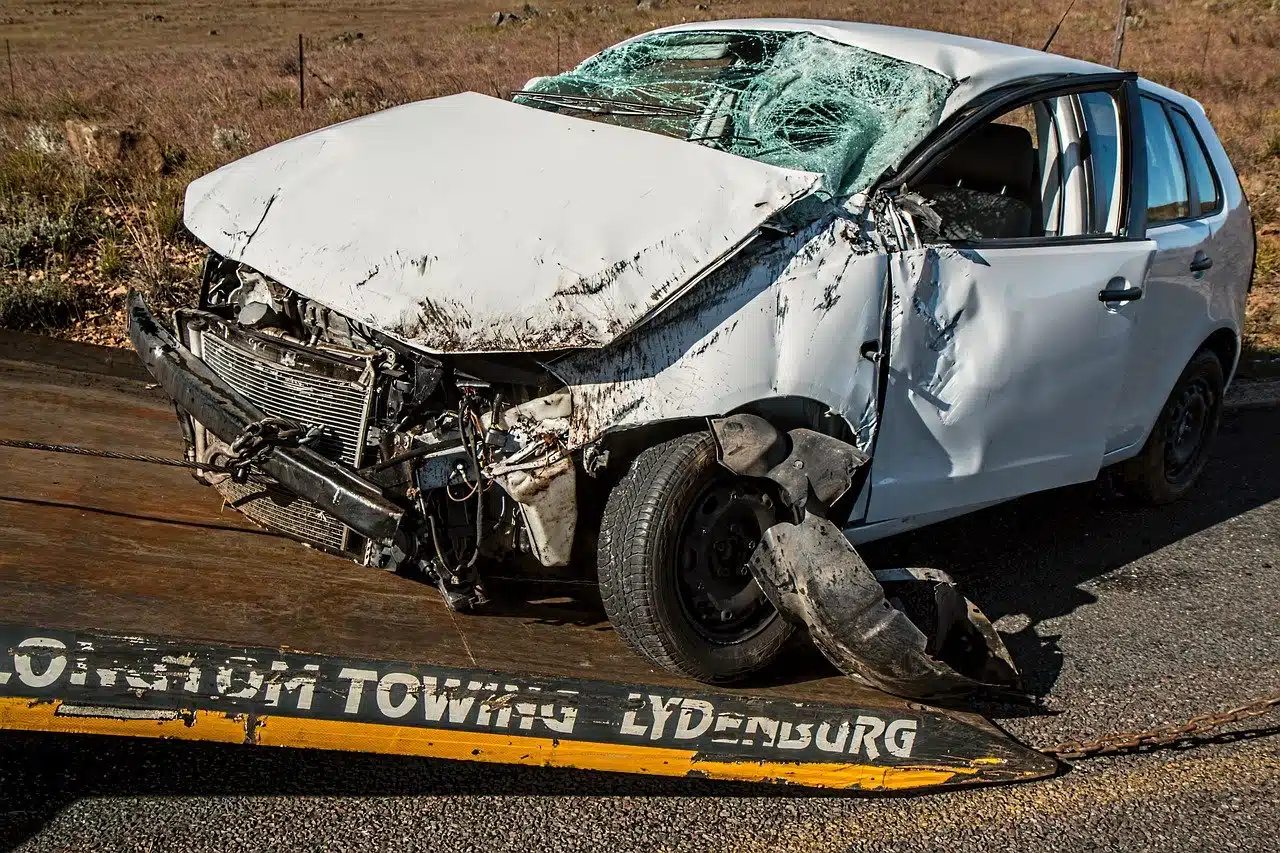
Car Accident PTSD: What You Can Expect in Vermont After a Crash







When a Crash Leaves More Than Physical Injuries
ACar accident PTSD can affect people long after the crash scene is cleared. A serious collision can leave a person afraid to drive, unable to sleep, easily startled, emotionally numb, or overwhelmed by flashbacks, panic, and anxiety.
PTSD after a car accident is not a sign of weakness. It is a real mental health condition that can affect work, relationships, parenting, medical recovery, and daily life.
In Vermont, a car accident injury claim may include psychological trauma when the PTSD is documented and legally connected to the crash. Sabbeth Law helps injured people understand how emotional harm, medical treatment, lost income, and pain and suffering may fit into a personal injury claim.
How Car Accident PTSD Can Affect a Vermont Injury Claim
A car accident PTSD claim focuses on the psychological harm caused by the crash. The issue is not only whether you were physically injured, but whether the collision caused a serious mental health condition that can be documented through treatment records, diagnosis, and professional support.
PTSD symptoms after a crash may include intrusive memories, nightmares, flashbacks, panic attacks, fear of driving, avoidance of the crash location, trouble sleeping, irritability, difficulty concentrating, guilt, emotional numbness, or feeling constantly on edge.
These symptoms can interfere with ordinary life. Some people cannot return to work because driving, commuting, noise, or stress triggers their symptoms. Others avoid riding in cars, struggle with family responsibilities, or need ongoing therapy and medication.
To support a claim, the PTSD must be tied to the accident. Medical records, therapy notes, mental health evaluations, prescription records, and testimony from treating providers may help show that connection. A formal diagnosis from a licensed mental health professional can be especially important.
Insurance companies often challenge PTSD claims. They may argue the symptoms are exaggerated, unrelated to the crash, caused by a prior condition, or not serious enough to justify compensation. That is why documentation matters.
A Vermont car accident PTSD claim may seek compensation for therapy, psychiatric care, medication, lost wages, reduced earning ability, pain and suffering, emotional distress, and loss of enjoyment of life. If the crash also caused physical injuries, the PTSD claim may be part of the broader injury case.
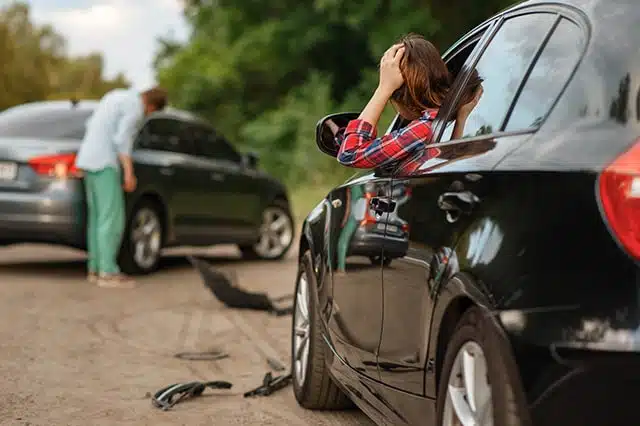
Common PTSD Symptoms After a Car Accident
PTSD can look different from person to person. Some symptoms appear immediately. Others develop days, weeks, or months later.
Fear of Driving or Riding in a Car
Many people with car accident PTSD avoid driving, highways, intersections, bad weather, or the location where the crash happened. Some can drive short distances but panic on certain roads or when traffic feels similar to the crash.
This avoidance can affect work, school, medical appointments, family duties, and independence.
Flashbacks, Nightmares, and Intrusive Memories
A person may relive the crash through flashbacks, nightmares, or unwanted mental images. The sound of brakes, a horn, a siren, or a sudden stop may bring the crash back as if it is happening again.
These symptoms can disrupt sleep and make normal daily activities feel unsafe.
Hypervigilance and Startle Responses
After a serious crash, some people feel constantly on edge. They may scan traffic for danger, jump at loud noises, grip the seat while riding as a passenger, or feel panic when another vehicle gets too close.
This heightened state of alert can be exhausting and may affect concentration, mood, and relationships.
Emotional Numbness or Detachment
Not everyone with PTSD appears visibly anxious. Some people feel numb, detached, withdrawn, or disconnected from family and friends. They may stop doing things they used to enjoy or feel unable to talk about the crash.
Sleep Problems and Irritability
PTSD can make it difficult to fall asleep or stay asleep. Lack of sleep can worsen anxiety, pain, depression, anger, and recovery from physical injuries.
Contact UsWhen Car Accident PTSD Claims Get Complicated

PTSD claims can be harder to prove than visible injuries. Several issues can affect how the claim is evaluated in Vermont.
When Symptoms Appear Later
Delayed symptoms are common in trauma cases. You may feel focused on physical injuries at first, then notice panic, nightmares, fear of driving, or emotional numbness weeks later.
Insurance companies may use the delay to argue that the PTSD is unrelated to the crash. A clear timeline and consistent medical documentation can help answer that argument.
When There Was a Prior Mental Health Condition
A prior history of anxiety, depression, trauma, or therapy does not automatically defeat a claim. The legal question may be whether the crash caused a new condition or worsened an existing one.
Vermont injury cases can involve the principle that a negligent person takes the injured person as they find them. In practical terms, an at-fault driver may still be responsible when a crash aggravates a pre-existing condition.
When Physical Injuries Are Minor or Disputed
A crash does not have to look catastrophic for PTSD symptoms to be serious. Still, claims involving primarily psychological harm can be more heavily disputed.
Medical proof, mental health treatment, witness observations, and the details of the crash can all matter.
When Children Develop PTSD After a Crash
Children may show PTSD differently from adults. They may have nightmares, clinginess, school problems, new fears, regression, anger, stomachaches, headaches, or fear of riding in cars.
A child’s claim may require pediatric, psychological, or educational records to show how the crash affected development, behavior, and daily life.
When the Insurance Company Blames Something Else
Insurers may argue that stress from work, family problems, past trauma, financial pressure, or another event caused the PTSD. The defense may request mental health records and closely examine the person’s history.
A strong claim explains why the crash was a cause of the condition and how symptoms changed after the accident.
When Comparative Fault Is Raised
Vermont follows comparative negligence rules under 12 V.S.A. § 1036. If the injured person is found partly at fault for the crash, compensation may be reduced. If their responsibility is too high under the statute, recovery may be barred.
Fault disputes can affect every part of the claim, including compensation for PTSD.
How to Prove PTSD After a Car Accident

Proving car accident PTSD requires more than saying the crash was frightening. The claim should show the condition, the cause, and the impact on daily life.
Get a Mental Health Evaluation
A licensed therapist, psychologist, psychiatrist, or other qualified provider can evaluate symptoms and determine whether they meet PTSD criteria or another trauma-related diagnosis.
A diagnosis gives the claim a medical foundation.
Follow the Treatment Plan
Therapy, counseling, medication, trauma-focused treatment, or referrals should be followed as recommended. Gaps in treatment may give insurers a reason to argue that the condition is not serious.
Track How Symptoms Affect Daily Life
A written record can help show how PTSD affects driving, sleep, work, relationships, parenting, concentration, and normal routines.
Examples may include panic attacks while driving, missed work, canceled plans, inability to commute, or avoiding the crash location.
Preserve Crash Evidence
Photos, police reports, witness statements, vehicle damage, medical records, emergency care, and dashcam footage can help show why the crash was traumatic and how it happened.
Connect the Timeline
The claim is stronger when the records show when symptoms began, how they changed, when treatment started, and how the crash affected the person’s life compared with before the accident.
What Happens After a Car Accident PTSD Claim in Vermont
Filing a claim for car accident PTSD takes time. Most cases move through several stages.
Stage 1: Medical and Mental Health Care
Your first step is getting help. Seek emergency care for physical injuries and speak with a mental health provider if you are having panic, nightmares, flashbacks, fear of driving, or other trauma symptoms.
Early treatment creates the medical record that your claim may depend on.
Stage 2: Legal Review
Bring your crash report, medical records, therapy information, insurance letters, photos, and wage loss documents to your first meeting with an attorney. The attorney can review fault, insurance coverage, damages, and filing deadlines.
Stage 3: Evidence Development
Your lawyer may gather medical records, therapy notes, crash evidence, employment records, witness statements, and professional opinions. The goal is to show both what happened in the crash and how PTSD changed your life.
Stage 4: Insurance Claim and Negotiation
The claim may be presented to the at-fault driver’s insurer. The demand may include medical expenses, therapy costs, lost wages, pain and suffering, emotional distress, and future care needs.
Negotiations may take months, especially if the insurer disputes diagnosis, causation, or damages.
Stage 5: Lawsuit if Needed
If the insurer refuses to make a fair offer, a lawsuit may be necessary. Vermont generally gives injured people three years to file personal injury claims under 12 V.S.A. § 512.
If the case also involves New Hampshire, RSA 508:4 generally provides a three-year deadline for personal actions, with discovery-rule language in some circumstances.
Stage 6: Settlement or Trial
Many cases settle. If a trial becomes necessary, the evidence may include treating provider testimony, mental health records, crash evidence, professional opinions, and testimony about how PTSD affects daily life.
When to Speak With an Attorney About Car Accident PTSD
Car accident PTSD is a real injury. If your symptoms are affecting your work, driving, sleep, relationships, or daily life, speaking with an attorney may help you understand your options.
Sabbeth Law represents injured people in Vermont and New Hampshire. If a crash caused psychological trauma, physical injuries, or both, the team can review the facts, insurance issues, medical evidence, and legal deadlines that may affect your claim.
Questions About Car Accident PTSD and Your Claim
Can I file a claim for car accident PTSD even if I wasn’t physically hurt?
Yes, emotional injuries like PTSD can form the basis of a claim even without visible physical harm. Vermont and New Hampshire courts recognize psychological injuries as real losses that may carry legal value.
Does PTSD affect how long I have to file my claim?
The statute of limitations in Vermont is generally three years from the date of the accident. In some cases, the clock may start later if PTSD symptoms were not discovered right away; speak with an attorney to confirm your deadline.
Will the insurance company pay for mental health treatment?
Insurance companies often dispute mental health claims, calling them hard to prove or unrelated to the crash. Your attorney can push back with medical records, therapy notes, and professional opinions to support your case.
What if my PTSD symptoms come and go? Does that weaken my claim?
PTSD often follows a pattern of flare-ups and calmer periods. This does not mean your condition is less serious. A mental health professional can document the pattern and explain it to insurers or a jury.
Can I still recover compensation if I had anxiety before the accident?
A pre-existing condition does not bar your claim. If the crash made your anxiety worse, you may still seek damages for that increase; this is known as the “eggshell plaintiff” rule under Vermont and New Hampshire law.
Contact UsClient Testimonials
“Immediately after my son’s injury at work, he was treated poorly. Over the course of the next few days it became even worse, so I called Mike and he and Crystal have been absolute lifesavers during the process. Mike is not your typical stuffed suit lawyer who only cares about the bottom line he genuinely cares about his clients and his assistant Crystal is beyond amazing! My thanks to you both!”
LUKE PARMENTER
“I could never ask for a better attorney, to fight for me, to believe in me, and have faith in me, than what I found in Mike Sabbeth, He doesn’t treat you like a client, he treats you as if you are one of his own family members, He will fight for you, with all he has, and is ALWAYS up front and honest with you about everything!”
SANDRA DRUGE