
Commercial Vehicle Accident Claims in Vermont: Navigating Your Legal Options





A Guide to Seeking Compensation for Your Accident Injuries
Navigating your legal options.
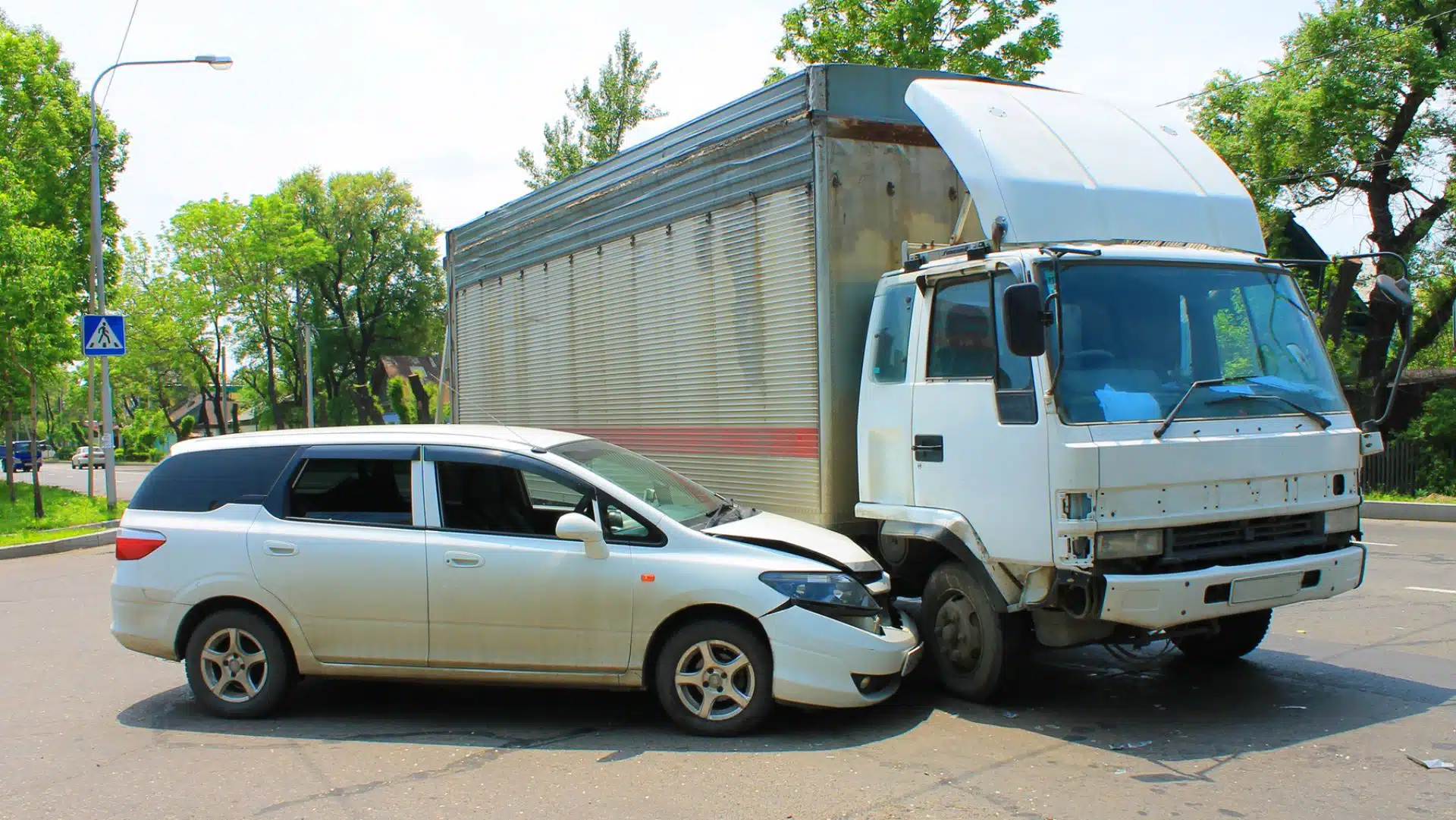
Commercial vehicle accident claims in Vermont arise when a crash involves a vehicle used for business purposes. This might include a tractor-trailer, a delivery van, a construction vehicle, or a company car. While these cases may seem similar to regular car accident claims, they quickly become more complex once you look closer. Understanding how commercial vehicle accident claims in Vermont work early on can help you make better decisions.
What Are Commercial Vehicle Accident Claims?
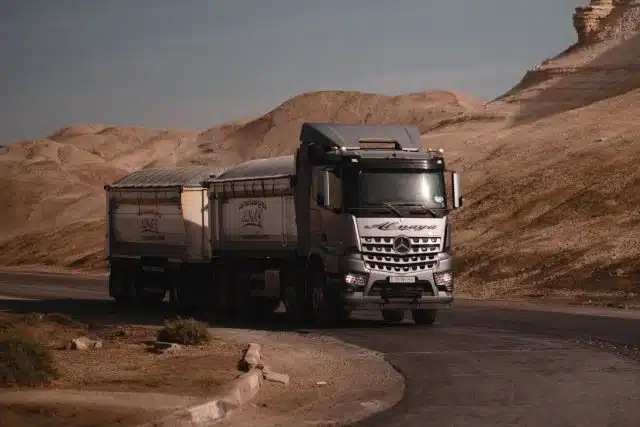
Commercial vehicle accident claims in Vermont allow you to seek compensation for injuries or damages incurred in a commercial vehicle. These claims involve crashes where at least one vehicle is being used for work or business, including:
- Tractor-trailers and semi-trucks
- Delivery vans such as Amazon or UPS vehicles
- Construction and utility trucks
- Company-owned cars used for business travel
Commercial vehicles are larger and heavier than passenger cars. Because of this, crashes tend to cause more serious injuries. Injured parties may face long recovery times, high medical costs, and lasting impacts on their daily lives.
In Vermont, accident claims follow a fault-based system. This means the person or party who caused the crash is responsible for paying for the damage. However, in commercial vehicle cases, it is not always clear who that party is.
More than one group may be involved. The driver, the company, and even third parties may all play a role. Each may try to limit their responsibility, which can make the process harder to navigate.
Contact UsCommon Causes of Commercial Vehicle Accidents in Vermont
In Vermont, navigating the roads with commercial vehicles presents unique challenges. Various factors contribute to accidents involving these large vehicles. The following are some of the common causes of commercial vehicle accidents in Vermont:
- Size Issues: Often involve large commercial trucks and can lead to major damage due to their size.
- Mechanical Failure: Brake malfunctions or engine problems can lead to accidents.
- Driver Fatigue: Longer hours on the road can result in driver fatigue, which reduces reaction times and increases the likelihood of accidents. Federal regulations require rest breaks, but they are not always adhered to, putting everyone at risk.
- Impaired Driving: Driving under the influence of drugs, alcohol, or prescribed medications can lead to major accidents and severe injuries.
- Improper Maintenance: Maintaining commercial vehicles is crucial. Poorly maintained vehicles can have brake failures or tire blowouts. It’s essential for companies to conduct regular inspections and be aware of crash statistics to understand common failures.
- Overloading: Overloading affects vehicle control, especially on Vermont’s hilly terrains. It can lead to severe accidents, as overloaded trucks may fail to stop promptly.
- Violation of Vermont Regulations: Our state’s specific regulations impact accident causes. Adherence to these can significantly reduce risks. Commercial drivers must comply with state safety standards to enhance road safety.
- Weather Conditions: Vermont’s winter weather conditions can be treacherous for large vehicles. Ice and snow make handling more difficult, leading to increased accident potential if proper precautions aren’t taken.
Who Can Be Responsible for the Crash?
Determining responsibility is one of the most important parts of a commercial vehicle accident claim. Some of the parties who can share fault in Vermont commercial vehicle accidents and their roles include:
The Driver
The driver is usually the first party considered. If the driver was speeding, distracted, or violating traffic laws, they may be directly responsible for the accident.
The Trucking Company
Under Vermont law, companies can be held responsible for their employees’ actions. This is called vicarious liability.
If the driver was working at the time of the crash, the company may share fault. Companies may also be responsible if they failed to train the driver properly or ignored safety rules.
A Third-Party
Other parties may also be involved in the accident. A maintenance provider may be responsible if poor repairs contributed to the crash. A manufacturer may be liable if a defective part failed. Because so many parties can be involved, these cases require a careful review of all the facts.

How Is Liability Determined in Commercial Vehicle Accidents?
Determining fault requires more than just reviewing the crash itself. It involves looking at multiple sources of evidence.
Police Reports and Initial Findings
Police reports provide an early account of what happened. They often include road conditions, driver statements, and witness observations.
Electronic Data and Truck Records
Many commercial vehicles record data such as speed, braking, and driving hours. This information can show whether the driver followed safety rules.
Maintenance and Inspection Records
These records show whether the vehicle was properly maintained. Missing or incomplete records can point to negligence.
Witness Statements and Expert Analysis
Witnesses can provide independent accounts of the crash. In more complex cases, professionals may reconstruct the accident to explain how it occurred.
Contact UsUnderstanding Vermont Laws Governing Commercial Vehicle Accidents
Vermont law directly affects how these claims are handled. Some laws to pay attention to include:
Comparative Negligence in Vermont
Vermont follows a modified comparative negligence rule under 12 V.S.A. § 1036.
This means you can recover damages as long as you are not more than 50 percent at fault for the accident. However, your compensation will be reduced based on your share of responsibility.
For example, if you are found to be 20 percent at fault, your total recovery will be reduced by that same percentage.
Statute of Limitations
The statute of limitations is equally important and is defined under 12 V.S.A. § 512. Most personal injury claims in Vermont must be filed within three years from the date of the accident. Missing this deadline can prevent you from recovering compensation entirely, regardless of how strong your case may be.
Duty to Stop and Report
Vermont law requires drivers involved in a car accident to stop and provide information. Accidents involving injury or major damage must also be reported. This law is called the ‘Duty to Stop.’
These requirements help ensure that accurate records are created, which can later serve as key evidence in a claim.
What Is the Claims Process for Commercial Vehicle Accidents?
The claims process usually follows a clear path, although each case is different. These are the common steps the process follows:
Gathering Evidence Early
Right after the accident, evidence should be collected as soon as possible. Photos, medical records, and witness details all help support your claim.
Reporting the Claim
The accident must be reported to insurance companies. In commercial cases, this often involves multiple insurers.
Investigation and Review
Both sides review the evidence to determine fault. This stage may include reviewing company policies and federal safety rules.
Settlement Negotiations
Most cases are resolved through settlement discussions. Strong evidence helps support fair compensation during this stage.
Filing a Lawsuit if Needed
If a fair settlement cannot be reached, the case may go to court. A judge or jury will then decide the outcome.
Cross-Border Commercial Vehicle Accident Claims
Because commercial vehicles frequently travel across state lines, some accidents involve multiple jurisdictions. This can add another layer of complexity to an already detailed process.
In these cases, federal regulations, particularly those established by the Federal Motor Carrier Safety Administration, often apply. These rules govern areas such as driver hours, vehicle maintenance, and cargo handling.
A crash may also involve parties from different states. In this case, questions may arise about which laws apply and where the case should be handled. These factors can affect both liability and the amount of compensation available.
Understanding how these rules interact is essential for navigating cross-border claims effectively.
What Compensation Can You Recover?
Affected individuals in commercial vehicle accidents in Vermont may be entitled to several types of compensation. Still, this heavily depends on the circumstances of the case.
Economic damages cover measurable financial losses. These include medical expenses, lost income, and the cost of future treatment. In serious cases, these damages can be substantial, especially when long-term care is required.
Non-economic damages address the personal impact of the accident. This may include physical pain, emotional distress, and the loss of enjoyment of daily life. While these losses are harder to measure, they are no less important.
In rare cases, punitive damages may be awarded. These are intended to punish particularly reckless or intentional behavior. However, they are not commonly applied in standard negligence cases.
Why You Need an Experienced Vermont Attorney
A strong claim is not just about what happened. It is about how well your case is built and presented from the start.
An experienced Burlington commercial vehicle accident attorney helps move your case forward by:
- Turning facts into clear evidence: A lawyer can organize medical records, reports, and data into a simple, strong case that clearly shows what happened and why it matters.
- Spotting problems early: They can address missing documents, weak points, or timing issues before they can hurt your claim.
- Building a strategy around your case: With reliable legal guidance, your injuries, losses, and goals shape the approach, not a one-size-fits-all method.
- Handling the process for you: Legal representation manages deadlines, paperwork, and back-and-forth communication, so you can focus on recovery.
- Strengthening your position in negotiations: A well-prepared case puts pressure on insurers to take your claim seriously and respond fairly.
- Preparing for every outcome: Whether you settle or move forward to trial, an experienced lawyer can help your case hold up at every stage.
Having the right support can make the difference between a claim that stalls and one that moves forward with clarity and purpose.
Contact UsReach Out for Help With Commercial Vehicle Accident Claims
A commercial vehicle accident can affect many areas of your life, from your health to your finances.Understanding how Vermont law applies to your situation can help you move forward with more confidence.
Taking the right steps early can make a meaningful difference in how your case develops and what outcome you are able to achieve.
If you’ve been injured in a commercial vehicle accident in Vermont, reach out to Sabbeth Law, PLLC, today to better understand your next steps and how to move forward.
FAQs
What should you do immediately after a commercial vehicle accident in Vermont?
Seek medical care, report the crash, and document the scene if possible. Gathering photos, witness details, and driver/company information early can help preserve key evidence for your claim.
Does insurance coverage differ in commercial vehicle accidents?
Yes, commercial vehicles often carry higher and more complex insurance policies. Multiple policies may apply, depending on the driver, employer, and any third parties involved.
Can you still recover compensation if you were partially at fault?
Yes, as long as you are not more than 50 percent at fault under Vermont law. Your compensation will be reduced based on your share of responsibility.
How are trucking company records used in a claim?
Records such as driving logs, maintenance reports, and onboard data can show whether safety rules were followed. These details often play a key role in proving fault.
Are commercial vehicle accident settlements usually higher than regular car accident claims?
They can be higher due to more severe injuries and larger insurance coverage. However, the outcome depends on the evidence, liability, and specific losses involved.
Client Testimonials
“Immediately after my son’s injury at work, he was treated poorly. Over the course of the next few days it became even worse, so I called Mike and he and Crystal have been absolute lifesavers during the process. Mike is not your typical stuffed suit lawyer who only cares about the bottom line he genuinely cares about his clients and his assistant Crystal is beyond amazing! My thanks to you both!”
LUKE PARMENTER
“I could never ask for a better attorney, to fight for me, to believe in me, and have faith in me, than what I found in Mike Sabbeth, He doesn’t treat you like a client, he treats you as if you are one of his own family members, He will fight for you, with all he has, and is ALWAYS up front and honest with you about everything!”
SANDRA DRUGE