

Common Causes of Tractor-Trailer Accidents in New Hampshire







Why Tractor-Trailer Accident Claims Can Be More Complicated
Tractor-trailer accidents often involve more complex issues than standard car accidents. Because commercial trucks are subject to both state and federal regulations, these cases may involve driver logs, maintenance records, cargo requirements, commercial insurance policies, and multiple potentially responsible parties.
This guide explains some of the factors that can affect tractor-trailer accident claims, including how trucking regulations, evidence, and liability issues may make these cases more complex.
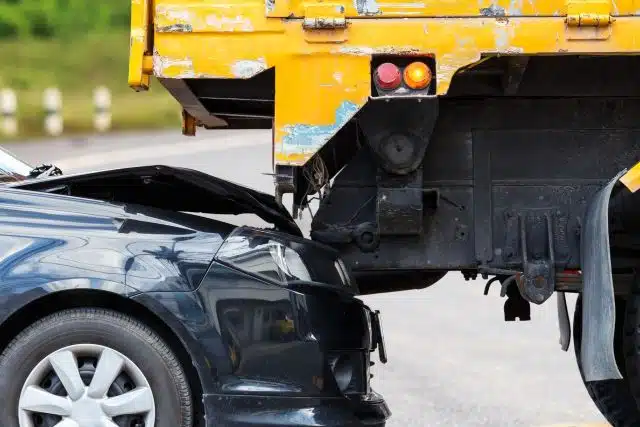
Driver-Related Factors Behind Tractor-Trailer Accidents
Driver behavior is a common factor in many tractor-trailer accidents. Fatigue, distraction, speeding, and unsafe driving decisions can reduce reaction time and make large trucks harder to control.
Fatigue and Hours-of-Service Violations
Truck drivers may spend long hours on the road, increasing the risk of fatigue. Federal Hours of Service (HOS) rules limit how long commercial drivers may operate without rest. These rules are designed to reduce drowsy driving and improve road safety. When drivers exceed these limits, fatigue can affect alertness, judgment, and reaction time.
Distracted or Impaired Driving
Distractions can take a driver’s attention away from the road. Common distractions include texting, phone use, GPS adjustments, eating, or other activities inside the cab. Alcohol or drug use can also impair judgment and reaction time. These issues can make it harder for truck drivers to respond safely to changing road conditions.
Speeding and Aggressive Driving
Tractor-trailers need more time and distance to stop than smaller vehicles. Speeding can reduce a driver’s ability to stop safely and avoid collisions. Aggressive driving behaviors, such as tailgating or unsafe lane changes, can also increase the risk of serious accidents.
Contact UsVehicle and Equipment Failures
Mechanical problems can increase the risk of serious tractor-trailer accidents. Common issues include brake failures, tire blowouts, steering problems, improperly loaded cargo, and poor vehicle maintenance.
Brake, Tire, and Steering System Failures
Mechanical failures can make large trucks harder to control and more difficult to stop safely. Brake problems may increase stopping distance, while tire blowouts can cause sudden loss of control. Steering system failures can also make it harder for a driver to avoid obstacles or respond to road conditions.
Regular inspections and timely repairs help reduce the risk of these problems.
Improperly Loaded or Secured Cargo
Cargo that is not properly loaded or secured can create dangerous driving conditions. Shifting cargo can make a truck unstable and increase the risk of rollovers or loss of control. Overloaded trucks may also place extra strain on tires, brakes, and other vehicle systems.
Following cargo weight limits and securing requirements can reduce these risks.
Poor Maintenance or Inspection Failures
Commercial trucks require regular inspections and maintenance to help identify safety problems before they lead to accidents. Issues such as worn brakes, damaged tires, or faulty equipment may go unnoticed when maintenance is neglected.
Inspection records and maintenance logs may also help show whether a vehicle was properly maintained after a truck accident.
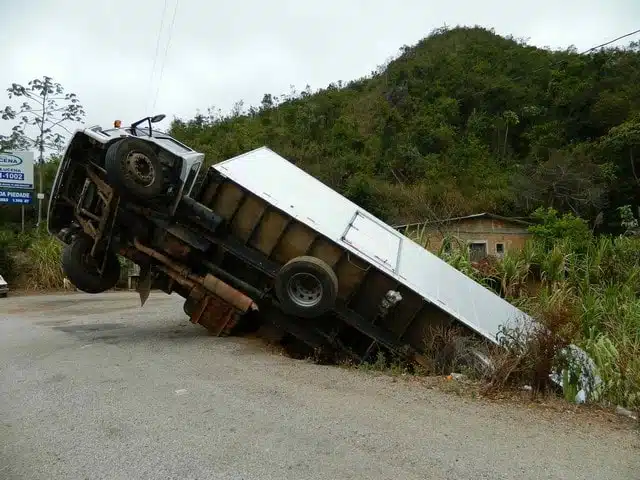
Environmental and Roadway Hazards
Weather, road conditions, and traffic patterns can all increase the risk of tractor-trailer accidents. Large commercial trucks need more time and distance to stop, which can make hazardous driving conditions more dangerous.
Poor Weather and Road Conditions
Rain, snow, ice, fog, and wet roads can reduce visibility and traction. These conditions may increase stopping distances and make it harder for truck drivers to safely control large vehicles. Poor road conditions, such as potholes or uneven surfaces, can also increase the risk of accidents.
Construction Zones and Changing Traffic Patterns
Construction zones may create lane shifts, detours, narrowed roads, and sudden traffic changes. These conditions can make it harder for tractor-trailer drivers to maneuver safely, especially in areas with limited space or heavy traffic.
Railroad Crossings and Intersections
Railroad crossings and intersections can present additional challenges for tractor-trailer drivers. Wide turns, limited visibility, and misjudged stopping distances may increase the risk of collisions in these areas.
Who Can Be Held Liable for a Tractor-Trailer Accident?
Liability in a tractor-trailer accident may involve more than one party. Depending on the cause of the crash, responsibility may extend beyond the truck driver.
- Truck Drivers: Truck drivers may be liable if negligent actions contributed to the accident. Examples include speeding, distracted driving, fatigue, impaired driving, or other violations of traffic or trucking regulations.
- Trucking Companies: Trucking companies may also share liability in some cases. This may involve issues such as poor driver training, unrealistic schedules, inadequate supervision, or failure to follow safety regulations.
- Maintenance Providers and Cargo Loaders: Other parties may also be responsible if mechanical failures or cargo-related issues contributed to the crash. Poor vehicle maintenance, defective repairs, overloaded trucks, or improperly secured cargo may increase accident risks.
Determining liability in a truck accident often requires reviewing evidence such as driver logs, inspection records, maintenance reports, and other crash-related information.
Contact UsWhat Should You Do After a Tractor-Trailer Accident?
Tractor-trailer accidents often result in serious injuries and significant property damage. Taking certain steps after a crash may help protect your health and preserve important information.
- Seek Medical Attention: Medical care should be a priority after any serious accident. Some injuries may not be immediately visible, even if symptoms seem minor at first.
- Document the Scene: Photos, road conditions, vehicle damage, and witness information may help preserve important details about how the accident happened.
- Report the Accident: Reporting the crash to law enforcement can help create an official record of the accident, which may become important later.
- Be Cautious When Discussing the Claim: Insurance companies may request statements after a crash. Please understand your options before providing detailed information about the accident.
Understanding Your Options After a Tractor-Trailer Accident
Tractor-trailer accident claims can involve complex issues, including trucking regulations, multiple potentially liable parties, and technical evidence such as driver logs, maintenance records, or inspection reports.
Understanding how these cases work may help injured individuals make informed decisions about next steps. If you need guidance about your situation, speaking with a tractor-trailer accident lawyer may help you better understand your legal options.
Frequently Asked Questions
What are the most common causes of tractor-trailer accidents in New Hampshire?
Tractor-trailer accidents in New Hampshire can happen for many reasons. Common causes include driver fatigue, distracted driving, speeding, poor vehicle maintenance, mechanical failures, improperly loaded cargo, and hazardous road or weather conditions. These factors can make large trucks harder to control and increase the risk of serious accidents.
What makes tractor-trailer accidents more complicated than car accidents?
Tractor-trailer accidents often involve more issues than standard car accidents. These cases may involve trucking regulations, driver logs, maintenance records, cargo requirements, commercial insurance policies, and multiple potentially responsible parties. Determining what caused the crash may require a detailed investigation.
Can more than one party be liable for a tractor-trailer accident?
Yes. Liability in a tractor-trailer accident may involve more than one party. Depending on the cause of the crash, responsibility may include the truck driver, the trucking company, maintenance providers, or cargo loaders.
What evidence can help show what caused a truck accident?
Evidence may help show how a tractor-trailer accident happened and who may be responsible. This can include driver logs, maintenance records, inspection reports, photos from the scene, witness information, and other crash-related evidence.
What should someone do after a tractor-trailer accident?
After a tractor-trailer accident, medical care should be a priority. It may also help to document the scene, report the accident, and preserve important information such as photos, road conditions, and witness details.
Contact UsClient Testimonials
“Immediately after my son’s injury at work, he was treated poorly. Over the course of the next few days it became even worse, so I called Mike and he and Crystal have been absolute lifesavers during the process. Mike is not your typical stuffed suit lawyer who only cares about the bottom line he genuinely cares about his clients and his assistant Crystal is beyond amazing! My thanks to you both!”
LUKE PARMENTER
“I could never ask for a better attorney, to fight for me, to believe in me, and have faith in me, than what I found in Mike Sabbeth, He doesn’t treat you like a client, he treats you as if you are one of his own family members, He will fight for you, with all he has, and is ALWAYS up front and honest with you about everything!”
SANDRA DRUGE