
How Driver Fatigue Causes Tractor-Trailer Crashes







Seeking Punitive Damages for a Wrongful Death
Understanding what causes crashes and who’s responsible.
I-91 runs through Vermont and carries heavy truck traffic across rough terrain. Most truck crashes on this road come from clear causes like fatigue, poor weather, or safety violations. Knowing the cause is often the first step in finding who is at fault.
What Driver Behaviors Cause Most I-91 Truck Crashes?
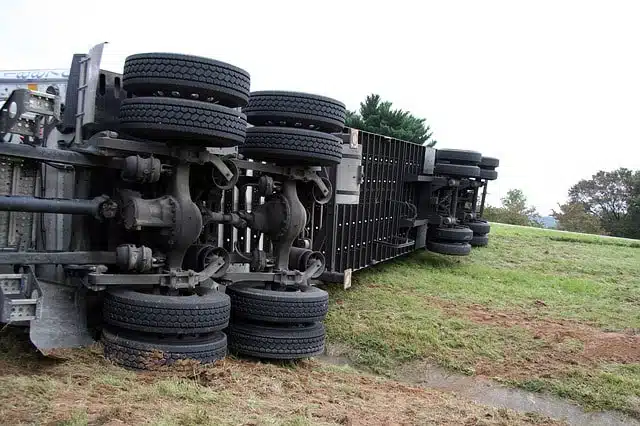
Driver behavior is one of the leading causes of truck accidents on I-91. Fatigue, speed, and distraction often play a direct role, and each can be traced through evidence after a crash.
Driver Fatigue
Fatigued drivers react slowly and may drift out of their lanes. On a busy interstate like I-91, this can quickly lead to a crash.
Federal rules cap how many hours a truck driver can work before resting. When companies push drivers past those limits, the risk of a crash rises sharply. Some drivers also falsify their logs to cover the violation.
Traffic slows near exits at the Springfield and White River Junction. A tired driver’s slow reaction time is often what turns a close call into a rear-end crash.
Speeding on Steep Grades
I-91’s southern section has long, steep downgrades where loaded trucks can gain speed faster than drivers expect.
Heavy cargo adds weight, and brakes can overheat on a long descent. When a driver fails to manage speed before a downgrade, the result can be a runaway vehicle.
Ignoring posted truck speed limits only makes this worse. Speed-related crashes on I-91 tend to cause severe injuries because of the weight involved.
Distraction
At highway speeds, even a few seconds of distraction can close the gap between a truck and the vehicle ahead.
Phone use, GPS adjustments, and eating while driving are common in long-haul trucking. On I-91, where traffic patterns shift quickly near interchanges, distraction is more dangerous. Electronic records, cab camera footage, and phone data can all help show whether distraction played a role.
How Do Vermont’s Roads and Weather Contribute to I-91 Crashes?
Vermont’s terrain and climate are hard on heavy trucks. The hills, grades, and long winters push what any driver and vehicle can safely handle.
Winter Weather and Black Ice
Vermont winters bring snow, ice, and black ice to I-91 for several months each year. These conditions extend stopping distances for heavy trucks far beyond what most drivers expect.
A loaded tractor-trailer can weigh up to 80,000 pounds. On icy pavement, that weight makes controlled braking very difficult. Mountain passes along I-91 see steep descents where conditions can change within a single mile.
Drivers who don’t slow down in advance put everyone around them at risk. Following too closely makes it worse.
Bridge Crossings and Narrow Lanes
The Connecticut River bridges on I-91 create transition zones that large trucks handle less easily than passenger cars.
Narrow lanes, abrupt grade changes, and wind exposure on open bridge spans all affect how a trailer handles. High-sided trailers are most at risk of side winds. In fog or rain, visibility at these crossings drops fast, leaving little margin for error at highway speeds.
Contact UsWhy Do I-91 Truck Crashes Often Involve More Than One Liable Party?
Fault in a truck crash rarely falls on the driver alone. The trucking company, a cargo loader, or a parts maker may each share fault. It depends on what caused the crash.
Trucking Company Negligence
A carrier that pushes drivers to skip rest or skips maintenance creates the conditions for a crash. That carrier may be found liable depending on the circumstances.
Under federal law, trucking companies must comply with the Federal Motor Carrier Safety Administration (FMCSA) safety rules. When a company pressures drivers past legal hours or delays repairs, that conduct becomes part of the fault picture.
Cargo Loading Errors
A loaded wrong truck is a hazard before it reaches the highway. Shifting cargo changes how the vehicle handles and can trigger a rollover on I-91’s curves and grades.
Overloaded trucks also place extra stress on tires and brakes. Vermont’s weigh stations are designed to catch violations, but not every truck is checked.
When cargo is loaded incorrectly, the loader may share the fault. The loader is sometimes a third party, separate from the driver and carrier.
Defective Parts
When a tire blows out or brakes fail due to a defect, the parts maker may be liable. Fault doesn’t always rest only with the driver or carrier.
Product liability claims require a close review of maintenance records, inspection logs, and part history. This proof can show whether a defect existed before the crash. It can also show whether it resulted from poor upkeep.
Contact UsHow Is Fault Determined After a Truck Crash on I-91?
Building a fault picture after a truck crash means quickly gathering several types of evidence. Some of it can disappear within days if not preserved.
Electronic Logging Devices and Black Box Data
A truck’s electronic logging device (ELD) records speed, braking, and hours of service before a crash. This data is often the most direct evidence of what went wrong.
This data shows whether the driver exceeded legal hours and whether they were speeding. It also captures how the driver responded in the seconds before impact.
Carriers aren’t always quick to preserve this data. A formal legal hold request needs to go out fast.
FMCSA Violations
An FMCSA violation covering driver hours, vehicle weight, or equipment checks can be used as direct evidence of negligence.
A lawyer can request driver logs, inspection records, and carrier records ratings. These records don’t always stay there for long. Acting quickly after a crash gives victims the best chance of securing this material before it’s altered or destroyed.
Crash Reconstruction and Expert Review
Complex I-91 crashes often need expert analysis. This matters most when more than one party is involved. It also helps when the police report doesn’t explain the cause fully.
Crash experts can establish how the collision happened using physical evidence and data. Medical experts record the nature and severity of injuries.
Together, these specialists help build a clear account of the fault.
What Should You Do if You Were Hurt in an I-91 Truck Crash?
Truck crash cases on I-91 often involve more than one party, and key evidence can disappear quickly if it is not preserved. Acting early can help protect records and make it easier to understand how fault may be determined under Vermont law.
If you are unsure how these rules apply to your situation, speaking with a truck accident lawyer can help clarify your next steps. Sabbeth Law works with people involved in I-91 truck crashes and can explain what evidence matters, what deadlines apply, and how the process may move forward based on the facts of your case.
FAQs
Why does I-91 in Vermont have so many truck accidents near the Connecticut River bridges?
The Connecticut River bridges on I-91 have narrow lanes, open spans, and exposure to strong crosswinds. High-sided trailers are pushed more by the wind than regular cars. In winter, bridge decks freeze before nearby road surfaces do. These factors combine to raise crash risk at those crossings, especially for commercial vehicles at highway speeds.
How does Vermont’s winter weather contribute to I-91 truck crashes?
Ice and snow reduce traction and increase stopping distances. A loaded tractor-trailer can weigh up to 80,000 pounds. On an icy downgrade, braking distance increases sharply. I-91 has steep sections near Bellows Falls and Springfield where this risk is especially high. Hazardous conditions on this highway can last from late October through early April.
Can a truck driver’s hours-of-service violations cause a crash on I-91?
Yes. FMCSA rules limit how many hours a driver can work before resting. When drivers exceed those limits, reaction time slows, and lane drifting becomes more likely. ELD records and driver logs can show whether a driver was within their legal hours at the time of a crash. This data needs to be preserved quickly before it’s overwritten.
What role does cargo loading play in Vermont tractor-trailer accidents on I-91?
A load that isn’t properly secured can shift during transit. On I-91’s curves and downgrades, a shifting load can cause a rollover. Overloaded trucks also put extra stress on brakes and tires. When cargo is loaded incorrectly, both the driver and the freight company may share responsibility for a crash.
Does truck driver distraction play a role in I-91 crashes in Vermont?
Yes. Drivers who use phones, adjust GPS devices, or eat while driving take their attention off the road. At highway speeds, even two seconds of distraction means the truck has traveled close to 200 feet without driver input. Near active exits like Springfield and White River Junction, that loss of focus can be serious. ELD records, cab camera footage, and phone data may show whether distraction played a role.
Contact UsClient Testimonials
“Immediately after my son’s injury at work, he was treated poorly. Over the course of the next few days it became even worse, so I called Mike and he and Crystal have been absolute lifesavers during the process. Mike is not your typical stuffed suit lawyer who only cares about the bottom line he genuinely cares about his clients and his assistant Crystal is beyond amazing! My thanks to you both!”
LUKE PARMENTER
“I could never ask for a better attorney, to fight for me, to believe in me, and have faith in me, than what I found in Mike Sabbeth, He doesn’t treat you like a client, he treats you as if you are one of his own family members, He will fight for you, with all he has, and is ALWAYS up front and honest with you about everything!”
SANDRA DRUGE