
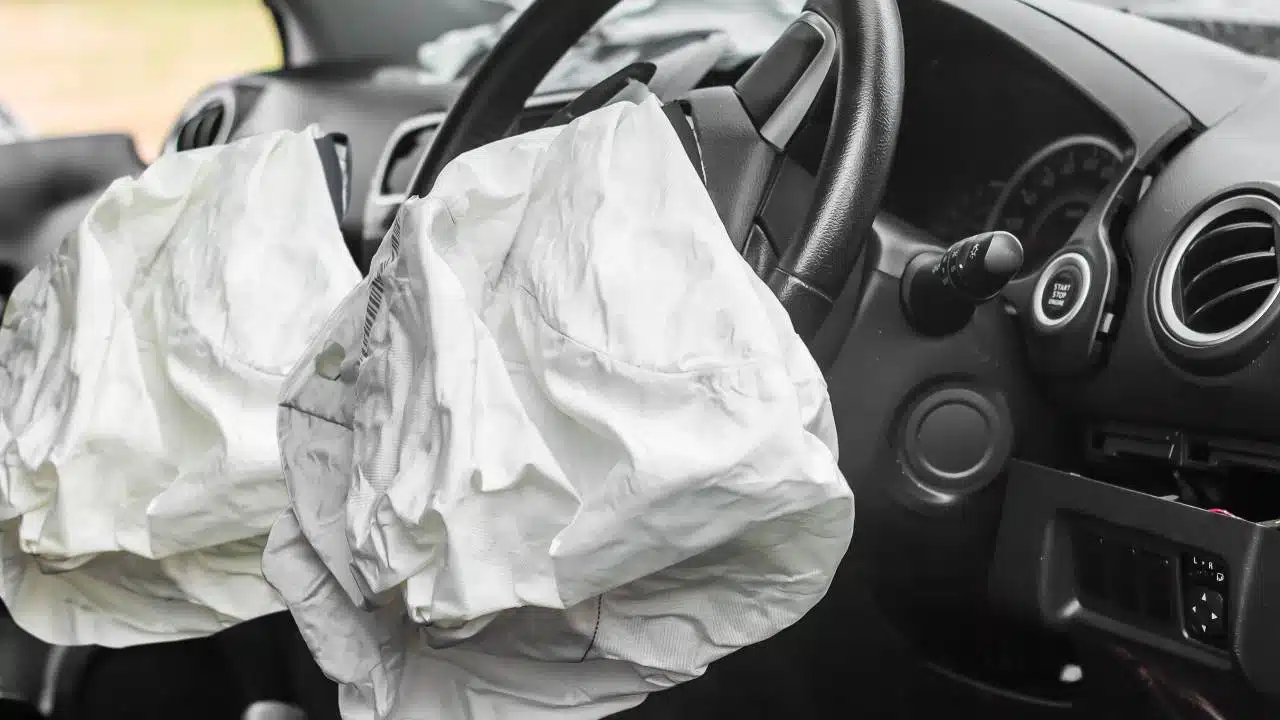
Fatal Car Accidents: Legal Options for Families in Vermont and New Hampshire







When a car accident results in a death, surviving family members may face difficult questions about liability, financial losses, and their legal options. Sabbeth Law represents families in Vermont and New Hampshire who are dealing with the aftermath of fatal car accidents and potential wrongful death claims.
Understanding Fatal Car Accidents
Fatal car accidents can result from many circumstances, including distracted driving, speeding, impaired driving, dangerous road conditions, or vehicle defects. Determining the cause of the crash is important not only for understanding what happened but also for assessing whether another person or entity may be legally responsible.
For families, the consequences extend far beyond the accident itself. A fatal crash may leave behind medical and funeral expenses, lost income, and other financial losses while creating an enormous emotional burden.
An investigation can help establish what happened, who was involved, and whether negligence contributed to the death. Depending on the circumstances, evidence may include the police crash report, photographs, witness statements, vehicle data, surveillance footage, medical records, and accident reconstruction analysis.
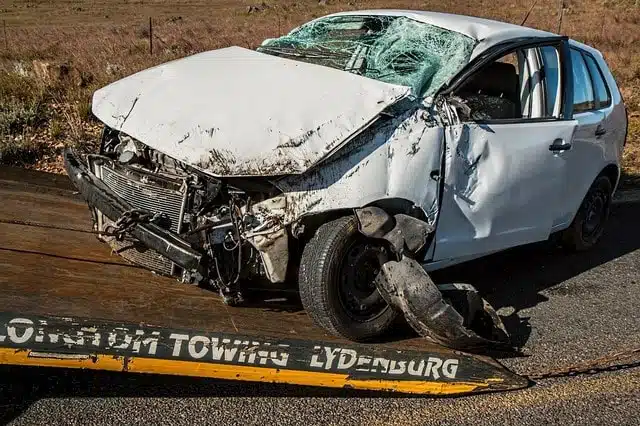
Common Causes of Fatal Car Accidents
Several forms of negligent or dangerous driving can increase the likelihood that a collision will result in death.
Speeding can reduce a driver’s reaction time and significantly increase the force of a collision. A crash that might otherwise result in survivable injuries can become fatal when a vehicle is traveling at excessive speed.
Alcohol or drug impairment can affect judgment, reaction time, coordination, and the ability to operate a vehicle safely. Evidence of impairment may become important when determining liability after a fatal crash.
Distracted driving can prevent a driver from recognizing hazards, traffic signals, pedestrians, or other vehicles in time to avoid a collision. Phone use, eating, adjusting controls, and other distractions can all contribute to a crash.
Failure to use a seat belt can increase the severity of injuries suffered in a collision. Although a failure to buckle up does not necessarily determine who caused a crash, it may become relevant to questions concerning the injuries and damages involved.
Dangerous road conditions can also contribute to fatal crashes. Poor roadway design, inadequate maintenance, defective traffic signals, or other infrastructure problems may warrant investigation when they appear to have played a role.
Hit-and-run collisions can make an already devastating situation more difficult because the responsible driver may initially be unknown. Investigators may need to rely on witnesses, surveillance footage, vehicle debris, license-plate information, and other evidence to identify the vehicle involved.
The cause of a fatal crash should not be assumed before the available evidence has been reviewed. Liability depends on the specific facts of the collision.
Contact UsWho May Be Liable in a Fatal Car Accident?
Determining liability requires more than establishing that a person died in a crash. The investigation must examine whether another party’s conduct or a dangerous condition contributed to the collision and the resulting death.
In many cases, another driver’s negligence is the primary issue. A driver who was speeding, impaired, distracted, or otherwise failed to exercise reasonable care may be held responsible when that conduct caused the crash.
However, other parties may also warrant investigation. Depending on the circumstances, potential sources of liability can include:
- Another driver: The driver’s conduct may have caused or contributed to the collision.
- A vehicle manufacturer or other responsible entity: A defective component, such as a braking or steering system, may have contributed to the crash.
- A property owner or other private party: In some circumstances, conditions outside the roadway may contribute to an accident.
- A government entity: Dangerous roadway design, inadequate maintenance, or malfunctioning traffic-control equipment may require investigation, although claims against governmental entities can involve additional legal requirements and limitations.
Establishing liability requires evidence connecting the conduct or condition to the fatal crash. Acting promptly can help preserve that evidence before vehicles are repaired, surveillance footage is overwritten, or witnesses’ recollections become less reliable.

What Should a Family Do After a Fatal Car Accident?
Families should not have to investigate a fatal collision alone while dealing with the immediate consequences of losing a loved one. Several practical steps can help preserve important information.
Preserve the Available Evidence
Keep copies of the police report, photographs, insurance correspondence, medical records, and other documents relating to the crash. If the family has photographs or video from the accident scene, preserve the original files rather than relying only on edited or compressed versions.
Identify Potential Witnesses
Witnesses may have seen the collision, traffic signals, vehicle movements, or the events immediately before the impact. Their accounts can become important if the circumstances of the crash are disputed.
Preserve Information About the Vehicles
Vehicle damage, event-data information, maintenance records, and other physical evidence may help reconstruct what happened. Families should avoid disposing of or authorizing significant repairs to a vehicle when its condition could be relevant to the investigation without first considering whether evidence needs to be preserved.
Keep Records of Financial Losses
Save funeral bills, medical expenses incurred before death, employment and income records, and other documentation of financial losses. These records can help establish the economic consequences of the fatal accident.
Speak With an Attorney Early
An early legal review can help identify potential claims, preserve evidence, determine who has authority to bring an action, and address communications with insurers.
Contact UsWrongful Death Claims After Fatal Car Accidents
When another person’s wrongful act, neglect, or default causes a death, the surviving family may have a potential wrongful death claim. The requirements, available damages, and people who may bring or benefit from a claim depend on the law of the state where the claim arises.
A wrongful death case generally requires evidence showing that the responsible party owed a legal duty, breached that duty, and caused the death. The precise legal requirements can vary depending on the circumstances.
Vermont Wrongful Death Claims
Vermont’s wrongful death statute, 14 V.S.A. § 1491, provides a cause of action when a person’s death results from the wrongful act, neglect, or default of another person or corporation. Under 14 V.S.A. § 1492, the action is brought in the name of the deceased person’s personal representative.
The statute generally requires the action to be commenced within two years from the discovery of the death, although the statute contains specific provisions that can affect the applicable period in particular circumstances.
This makes it important for a Vermont family to determine the applicable deadline rather than assuming that the general personal-injury limitations period applies.
New Hampshire Wrongful Death Claims
New Hampshire’s wrongful death laws are primarily found in RSA Chapter 556. New Hampshire law provides specific rules concerning who may bring a wrongful death action and the damages that may be recovered.
The New Hampshire Supreme Court has also held that the three-year limitations period under RSA 508:4 applies to wrongful death actions through RSA 556:11.
Because the rules governing wrongful death claims differ between Vermont and New Hampshire, families should determine which state’s law applies before relying on a particular deadline or damages rule.

What Compensation May Be Available?
The losses resulting from a fatal car accident can be both immediate and long-lasting. Depending on the applicable law and circumstances, a wrongful death or related claim may involve compensation for losses such as:
- Medical expenses: If the deceased received medical treatment between the crash and death, those expenses may be included in the claim.
- Funeral and burial expenses: Reasonable expenses associated with the funeral, burial, or other final arrangements may be relevant.
- Lost income or earning capacity: The death of a wage earner can create substantial financial consequences for surviving family members.
- Losses recognized under applicable wrongful death law: State law determines which additional losses may be recovered and how they are calculated.
The amount and categories of recoverable damages depend on the facts of the case and the applicable law. A family should not assume that every loss is automatically recoverable or that the rules are identical in Vermont and New Hampshire.
How a Fatal Car Accident Claim Works
Although every case is different, a fatal car accident claim generally involves several stages.
Initial Investigation
The circumstances of the crash are reviewed, including the police report, available photographs and video, witness accounts, vehicle information, and other evidence.
Identifying Potentially Responsible Parties
The investigation considers whether the crash resulted from another driver’s conduct, a vehicle defect, roadway conditions, or a combination of factors.
Determining the Applicable Law
The location of the accident and other circumstances can determine which state’s law applies. This is particularly important for families dealing with accidents involving Vermont and New Hampshire.
Documenting the Family’s Losses
Financial records and other supporting documentation are gathered to establish the losses associated with the death.
Dealing With Insurance Companies
Insurance companies may investigate the collision and request information from the family. Care should be taken when providing statements or discussing the value of a potential claim.
Negotiating or Filing a Lawsuit
A claim may resolve through negotiations with the responsible party’s insurer. If a fair resolution cannot be reached, litigation may become necessary.
The process can take time, particularly when liability is disputed, multiple parties are involved, or the family’s losses require extensive documentation.
Contact UsHow Sabbeth Law Can Help After a Fatal Car Accident
At Sabbeth Law, we understand that families dealing with a fatal crash need more than general information. They need a careful investigation of what happened and a clear understanding of their legal options.
We assist families in Vermont and New Hampshire with matters arising from fatal car accidents and wrongful death. Depending on the circumstances, our work may include reviewing accident evidence, identifying potentially responsible parties, evaluating losses, communicating with insurers, and pursuing appropriate legal remedies.
We can also work with qualified professionals when a case requires focused analysis, such as accident reconstruction or medical evidence. Building a case around reliable evidence can help clarify disputed issues and present a stronger account of how the crash occurred.
Our goal is to handle the legal aspects of the claim while you focus on your family and the difficult process of moving forward.
When Should You Contact a Lawyer After a Fatal Car Accident?
It is generally best to seek legal advice as early as possible after a fatal collision. Important evidence can become harder to obtain with time, and the applicable deadline depends on the state and circumstances of the claim.
An early consultation can help determine whether a wrongful death claim may exist, identify potential defendants, preserve evidence, and clarify the next steps.
If your family has lost a loved one in a fatal car accident in Vermont or New Hampshire, Sabbeth Law can review the circumstances and explain your legal options.
FAQs About Fatal Car Accidents
What is considered a fatal car accident?
A fatal car accident is a motor vehicle collision in which one or more people die as a result of injuries sustained in the crash. The circumstances can vary significantly, including collisions with other vehicles, pedestrians, or fixed objects, as well as dangerous roadway conditions.
Who can file a wrongful death claim after a fatal car accident?
The person authorized to bring a wrongful death action depends on the law of the state involved. In Vermont, a wrongful death action is brought in the name of the deceased’s personal representative under 14 V.S.A. § 1492. New Hampshire has its own statutory framework governing wrongful death actions.
How long do I have to file a wrongful death claim after a fatal car accident?
The deadline depends on the applicable state law and the circumstances of the claim. In Vermont, 14 V.S.A. § 1492 generally provides a two-year period from the discovery of the death. In New Hampshire, the general limitations period for wrongful death actions is three years under RSA 508:4, as applied through RSA 556:11. Because exceptions and case-specific issues can affect deadlines, families should seek legal advice promptly.
What evidence can help prove liability after a fatal car accident?
Evidence may include police reports, photographs, surveillance footage, witness statements, vehicle data, vehicle damage, medical records, roadway evidence, and accident reconstruction analysis. The most useful evidence depends on how the collision occurred and which issues are in dispute.
Can a family bring a claim if the deceased person was partly responsible for the accident?
Potentially. Comparative-fault rules can affect wrongful death and related claims, but the consequences depend on the applicable state’s law and the facts. An investigation should establish how much responsibility, if any, can properly be attributed to the deceased person before the effect on a claim can be assessed.
Client Testimonials
“Immediately after my son’s injury at work, he was treated poorly. Over the course of the next few days it became even worse, so I called Mike and he and Crystal have been absolute lifesavers during the process. Mike is not your typical stuffed suit lawyer who only cares about the bottom line he genuinely cares about his clients and his assistant Crystal is beyond amazing! My thanks to you both!”
LUKE PARMENTER
“I could never ask for a better attorney, to fight for me, to believe in me, and have faith in me, than what I found in Mike Sabbeth, He doesn’t treat you like a client, he treats you as if you are one of his own family members, He will fight for you, with all he has, and is ALWAYS up front and honest with you about everything!”
SANDRA DRUGE