
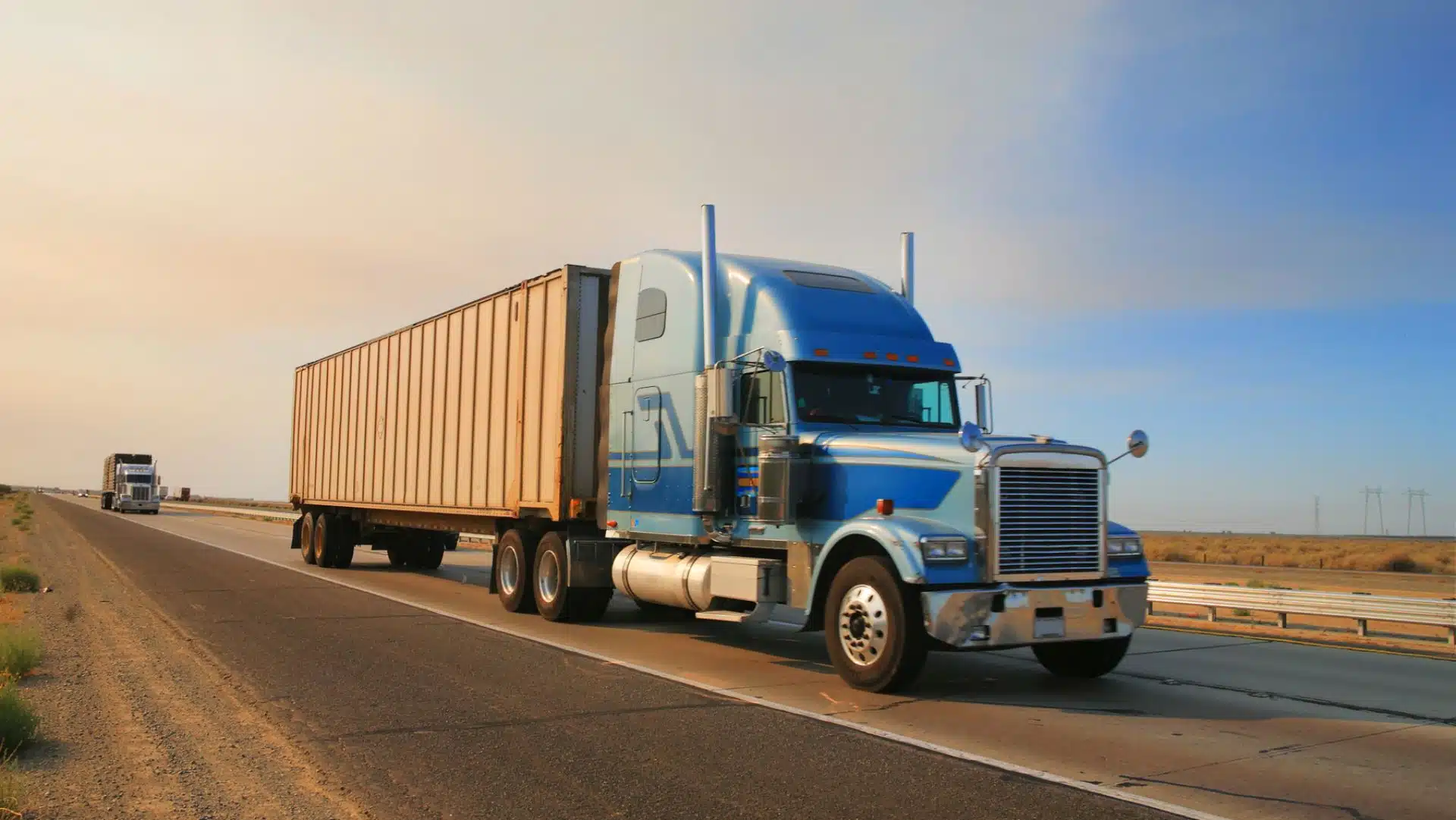
How Federal Trucking Regulations Affect Accident Claims






How federal rules impact truck accident investigations.
Commercial truck accidents often involve more than just a collision between two vehicles. Federal trucking regulations, inspection records, and driver log requirements can all play a role in determining what caused a crash and who may be responsible. This guide explains how trucking regulations may affect accident claims in Vermont and New Hampshire and why these rules can become important after a serious truck accident.
Vermont and New Hampshire Truck Accident Claims and FMCSA Regulations

Federal trucking regulations set safety standards for commercial trucks operating in Vermont, New Hampshire, and throughout the United States. When a trucking company or driver violates these rules, those violations may become important evidence in an accident claim.
Key FMCSA regulations that may affect a truck accident case include:
- Hours-of-service limits: FMCSA rules restrict how long commercial drivers can stay on the road without rest. Violations may raise concerns about driver fatigue and unsafe driving conditions.
- Electronic logging device (ELD) requirements: Most commercial trucks must use ELDs to record driving hours, rest breaks, and operational data. These records may help investigators review events leading up to a crash.
- Vehicle inspection and maintenance rules: Trucking companies must regularly inspect and maintain their vehicles. Missed inspections or unresolved mechanical problems may affect liability after an accident.
- Drug and alcohol testing requirements: Federal regulations require commercial drivers to undergo certain drug and alcohol testing procedures, including testing after some crashes.
- Cargo and weight restrictions: FMCSA rules limit how much weight a truck can carry and how cargo must be secured. Improper loading or overloaded trailers can increase the risk of serious accidents.
FMCSA violations do not automatically prove fault, but they may help show whether a trucking company or driver failed to operate safely. Courts in Vermont and New Hampshire may consider these federal standards alongside other evidence when evaluating a truck accident claim.
Types of Claims That May Arise After a Truck Accident
Commercial truck accidents can lead to several different types of legal claims depending on how the crash happened and who was involved. In Vermont and New Hampshire, more than one claim may apply at the same time.
Some of the most common truck accident claims include:
- Negligence claims against the truck driver: These claims may involve speeding, distracted driving, fatigue, impaired driving, or failure to follow traffic laws and FMCSA regulations.
- Claims against the trucking company: A carrier may face liability for poor hiring practices, inadequate driver training, unsafe scheduling, or failure to properly maintain its vehicles.
- Maintenance and inspection claims: If faulty brakes, tire failures, or other mechanical problems contributed to the crash, a maintenance company or repair contractor may share responsibility.
- Cargo loading claims: Improperly loaded or overloaded cargo can make a truck unstable, increasing the risk of rollovers or lost loads. In some cases, the company responsible for loading the truck may be liable.
- Product liability claims: If a defective truck part, such as brakes, tires, or steering components, contributed to the accident, a manufacturer or parts supplier may be involved in the claim.
- Wrongful death claims: When a truck accident results in a fatality, certain surviving family members may be able to pursue compensation for funeral costs, lost financial support, and other related damages.
- Claims involving hazardous materials: Accidents involving fuel, chemicals, or other hazardous cargo may raise additional legal and environmental issues, especially if there are spills or contamination.
The type of claim that applies often depends on the evidence gathered after the crash, including inspection records, driver logs, maintenance reports, and crash investigation findings.
Common Challenges in Trucking Accident Claims
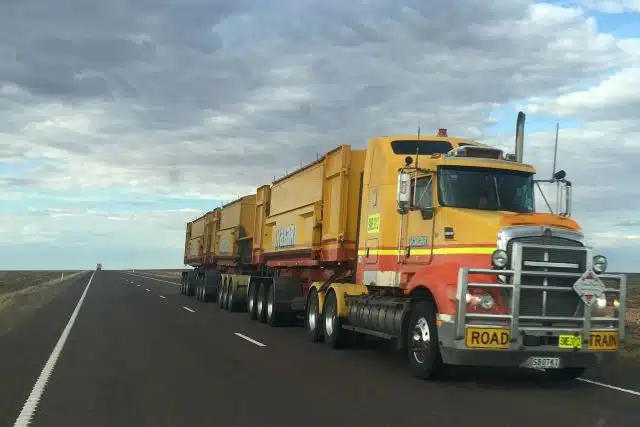
Federal trucking regulations provide the foundation for most commercial truck accident claims, but other factors can make these cases even more complicated. In Vermont and New Hampshire, issues involving liability, insurance coverage, and state law can all affect how a claim moves forward.
Several factors may add complexity to a truck accident case:
- Different types of trucking operations: Owner-operators, leased drivers, and large trucking companies may each operate under different agreements and insurance arrangements. These relationships can affect who may be legally responsible after a crash.
- State and federal laws working together: Vermont and New Hampshire trucking laws may apply alongside FMCSA regulations. In some situations, state requirements may impose additional obligations on drivers or carriers.
- Multiple potentially liable parties: Responsibility may extend beyond the truck driver to the carrier, cargo company, maintenance provider, or parts manufacturer. Determining how fault is shared often requires a detailed investigation.
- Insurance coverage disputes: Commercial trucking policies are often larger and more layered than standard auto insurance policies. Questions about which insurer is responsible can delay negotiations and settlement discussions.
- Filing deadlines and procedural rules: Vermont and New Hampshire generally allow three years to file a personal injury claim after a truck accident. Missing important deadlines can affect the ability to pursue compensation.
- The need for strong supporting evidence: Federal violations alone may not determine the outcome of a claim. Evidence must still connect the violation to the cause of the crash and the injuries involved.
Your Trucking Accident Claim: Step by Step
Truck accident claims often involve several stages, from preserving evidence to negotiating with insurers. Understanding the general process can help injured drivers and families prepare for what comes next.
Step 1: Seek Medical Care
Getting medical treatment should be the first priority after a truck accident. Medical records may also help document the extent of injuries and the treatment received.
Step 2: Preserve Important Evidence
Truck accident evidence can disappear quickly. Records such as driver logs, inspection reports, electronic data, and maintenance documents may be retained for only a limited period.
Step 3: Report the Crash
Police reports and crash documentation can become important parts of the claims process. In serious accidents, these reports may help establish key facts about the collision.
Step 4: Review Trucking and Safety Records
Truck accident investigations may involve reviewing FMCSA records, driver history, inspection reports, and prior safety violations associated with the trucking company or the vehicle involved.
Step 5: Build and Evaluate the Claim
This stage may include gathering medical records, reviewing evidence, consulting experts, and assessing damages related to injuries, lost income, and other losses.
Step 6: Negotiate or Litigate if Necessary
Many truck accident claims resolve through settlement negotiations. If the parties cannot reach an agreement, the case may proceed through the court process in Vermont or New Hampshire.
Contact UsHow a Vermont and New Hampshire Truck Accident Attorney Can Help

Truck accident claims often involve federal regulations, commercial insurance policies, and detailed investigations that differ from standard car accident cases. An attorney may help review trucking records, identify potentially responsible parties, preserve important evidence, and explain how state and federal laws apply to the claim.
If you were injured in a truck accident in Vermont or New Hampshire, speaking with an attorney may help you better understand your legal options and the steps involved in the claims process.
Contact UsFrequently Asked Questions
Can I still file a claim if the truck driver followed FMCSA rules?
Yes. Following FMCSA regulations does not automatically prevent a claim. A truck driver or trucking company may still be considered negligent even if their actions did not cause the crash.
Does the state where the crash happened matter?
Yes. The state where the accident occurred usually determines filing deadlines and fault allocation. Vermont and New Hampshire each have different laws that may affect a truck accident claim.
What if the trucking company is based in another state?
Out-of-state trucking companies must still comply with federal trucking regulations when operating in Vermont and New Hampshire. In many cases, a claim can still be filed in the state where the crash occurred.
Can driver logs and electronic records be used as evidence?
Yes. Driver log books and electronic logging device (ELD) records may help show how long the driver was on the road before the crash. These records can become important when fatigue or hours-of-service violations are involved.
What happens if black box data or other records are lost?
Truck data and electronic records can sometimes be overwritten or deleted within a short time. Acting quickly may help preserve important evidence by issuing a formal preservation request or a legal hold.
Contact UsClient Testimonials
“Immediately after my son’s injury at work, he was treated poorly. Over the course of the next few days it became even worse, so I called Mike and he and Crystal have been absolute lifesavers during the process. Mike is not your typical stuffed suit lawyer who only cares about the bottom line he genuinely cares about his clients and his assistant Crystal is beyond amazing! My thanks to you both!”
LUKE PARMENTER
“I could never ask for a better attorney, to fight for me, to believe in me, and have faith in me, than what I found in Mike Sabbeth, He doesn’t treat you like a client, he treats you as if you are one of his own family members, He will fight for you, with all he has, and is ALWAYS up front and honest with you about everything!”
SANDRA DRUGE