
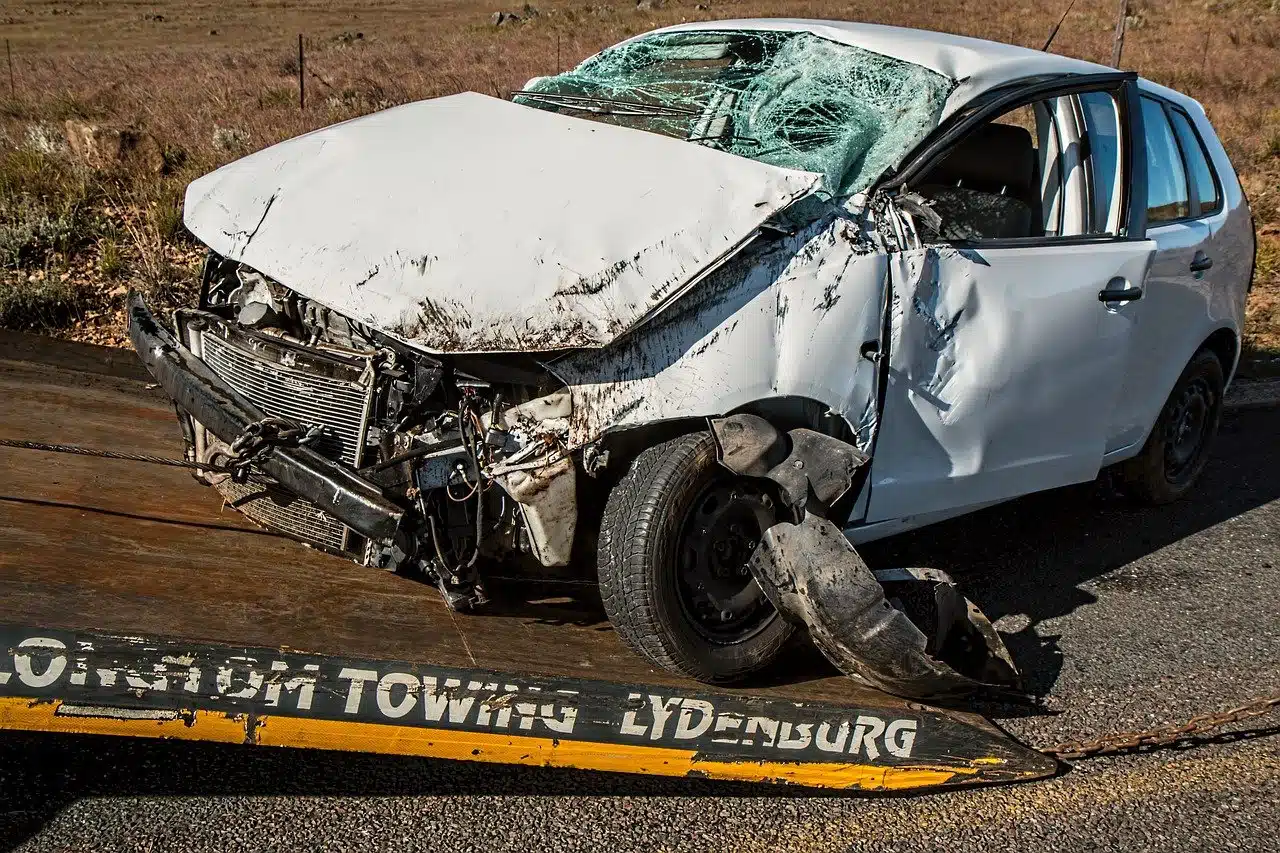
Enfield, Plainfield,How Car Accident Claims Work in Concord NH - Sabbeth Law







Crash Statistics and InjurWhat Happens After a Concord Accident.
Car accident claims in Concord, NH, can involve questions about fault, insurance coverage, and compensation for injuries and other losses. New Hampshire follows an at-fault system, which means the person who caused the crash is generally responsible for the resulting damages. This guide explains how car accident claims work in New Hampshire, common issues that can affect a claim, and what to expect during the process.
The Core Rules of Car Accident Claims in Concord, New Hampshire
Whether a crash happens on I-93, Loudon Road, South Main Street, or another road in Concord, the same New Hampshire laws generally govern how a car accident claim is handled. Most claims focus on three key issues: who caused the crash, what damages resulted, and how compensation should be paid.
Fault and Liability
New Hampshire follows an at-fault system. After a crash, insurance companies review evidence such as police reports, photographs, witness statements, and vehicle damage to determine who was responsible for the collision.
Comparative Fault
New Hampshire also follows a modified comparative fault rule. A person may still recover compensation if they share some responsibility for the accident, although their percentage of fault reduces any recovery. A finding of more than 50% fault generally bars recovery.
Insurance Claims and Compensation
Most claims begin with the at-fault driver’s insurance company. Depending on the circumstances, compensation may be available for medical expenses, lost income, property damage, pain and suffering, and other losses related to the accident.
Filing Deadlines
Under RSA 508:4, most car accident lawsuits in New Hampshire must be filed within three years of the date of the accident. Missing this deadline may prevent a claim from moving forward, making it important to understand the time limits that apply to your situation..

When Concord, NH Claims Get More Complicated
While many car accident claims are relatively straightforward, certain factors can make liability and compensation more difficult to determine. These situations often require additional investigation and evidence.
Wrongful Death Claims: Fatal car accidents involve different legal procedures than injury claims. Under New Hampshire law, a wrongful death claim must generally be brought by the personal representative of the deceased person’s estate. These claims may seek compensation for medical expenses, funeral costs, lost financial support, and other losses resulting from the death. The claim is brought on behalf of the estate rather than by individual family members directly.
Shared Fault: New Hampshire follows a modified comparative fault rule. When multiple drivers contribute to a crash, insurers may dispute each person’s share of responsibility. Because compensation may be reduced based on a person’s percentage of fault, establishing how the accident occurred is often a key issue.
Uninsured and Underinsured Drivers: Recovering compensation can become more challenging when the at-fault driver has little or no insurance coverage. In these situations, uninsured or underinsured motorist coverage may provide an additional source of recovery, depending on the policy’s terms.
Multi-Vehicle Accidents: Accidents involving three or more vehicles often raise complex liability questions. Determining responsibility may require a review of police reports, witness statements, vehicle damage, and other available evidence.
Road Conditions and Municipal Liability: Road design, maintenance issues, traffic signals, or other roadway conditions may sometimes contribute to a collision. In these situations, liability may extend beyond the drivers involved. Claims involving a city, county, or state agency can be subject to different procedures, notice requirements, and legal rules than ordinary car accident claims.
Government Vehicle Accidents: Accidents involving police vehicles, public works vehicles, school buses, or other government-owned vehicles can present unique legal issues. Determining liability may require additional investigation, and different rules may apply depending on the government entity involved.
Contact UsThe Car Accident Claim Process in Concord, NH

The compensAfter a crash, the claims process typically involves several steps. While every case is difMost car accident claims follow a similar path, although the timeline varies depending on the severity of the injuries, disputes over fault, and whether a settlement can be reached.
Resolve the Claim: Many claims are resolved through settlement. If the parties cannot reach an agreement, a judge or jury may determine liability and damages based on the evidence presented.
Seek Medical Care and Report the Accident: Your health comes first. Seek medical treatment as soon as possible and follow your provider’s recommendations. If the crash resulted in injuries, death, or significant property damage, it should also be reported to law enforcement. Depending on where the accident occurred, the report may be prepared by the Concord Police Department or the New Hampshire State Police. Medical records and accident reports often become important pieces of evidence in a claim.
Gather Evidence and Open a Claim: Photographs, witness information, repair estimates, and medical records can help document what happened and how the accident affected you. This can be especially important after crashes on heavily traveled roads such as I-93, I-89, Loudon Road, or South Main Street, where multiple witnesses or surveillance footage may be available. A claim is typically opened with the appropriate insurance company, which will review the available evidence and investigate the collision.
Continue Treatment and Document Losses: As treatment continues, it is important to keep records of medical expenses, missed work, and other losses related to the accident. This information helps establish the full impact of the injuries and the compensation being sought.
Negotiate a Settlement: Once the extent of the injuries and damages is understood, settlement discussions may begin. Many claims are resolved through negotiation without the need for formal litigation.
File a Lawsuit if Necessary: If a fair settlement cannot be reached, a lawsuit may be filed. Under RSA 508:4, most car accident injury claims in New Hampshire must be filed within three years of the date of the accident. Missing this deadline may prevent an injured person from pursuing compensation through the courts. Claims arising from accidents in Concord are generally filed in the court serving Merrimack County.
Contact UsWhen to Speak With an Attorney About Your Concord Claim
Recovering from a car accident is difficult enough without having to navigate insurance claims and legal deadlines on your own. Speaking with an attorney can help you understand your options and make informed decisions about your next steps. Sabbeth Law serves clients throughout Concord and the surrounding communities of Merrimack County.
Frequently Asked Questions
What should I do if the insurance company asks for a recorded statement?
You are generally not required to provide a recorded statement to the other driver’s insurance company immediately after a crash. Insurance adjusters may use these statements to evaluate fault and damages. Before giving a recorded statement, it may be helpful to understand how your comments could affect your claim.
Can I recover compensation for future medical treatment?
Yes. If your injuries require ongoing care, rehabilitation, medication, or future procedures, those anticipated costs may be included as part of a car accident claim. Medical records and professional opinions are often used to estimate future expenses.
What if a defective vehicle part contributed to the accident?
In some cases, liability may extend beyond the drivers involved. If a defective tire, brake system, airbag, or other vehicle component contributed to the crash or worsened injuries, a product liability claim against the manufacturer or another responsible party may be possible.
How is pain and suffering calculated in a New Hampshire car accident claim?
There is no fixed formula. Factors such as the severity of the injury, length of recovery, impact on daily activities, and long-term effects are often considered when evaluating pain and suffering damages.
What happens if the other driver disputes fault?
Fault disputes are common in car accident claims. Insurance companies may review police reports, photographs, witness statements, vehicle damage, and other evidence to determine responsibility. When the parties cannot agree, additional investigation or litigation may be necessary to resolve the dispute.
Contact UsClient Testimonials
“Immediately after my son’s injury at work, he was treated poorly. Over the course of the next few days it became even worse, so I called Mike and he and Crystal have been absolute lifesavers during the process. Mike is not your typical stuffed suit lawyer who only cares about the bottom line he genuinely cares about his clients and his assistant Crystal is beyond amazing! My thanks to you both!”
LUKE PARMENTER
“I could never ask for a better attorney, to fight for me, to believe in me, and have faith in me, than what I found in Mike Sabbeth, He doesn’t treat you like a client, he treats you as if you are one of his own family members, He will fight for you, with all he has, and is ALWAYS up front and honest with you about everything!”
SANDRA DRUGE