
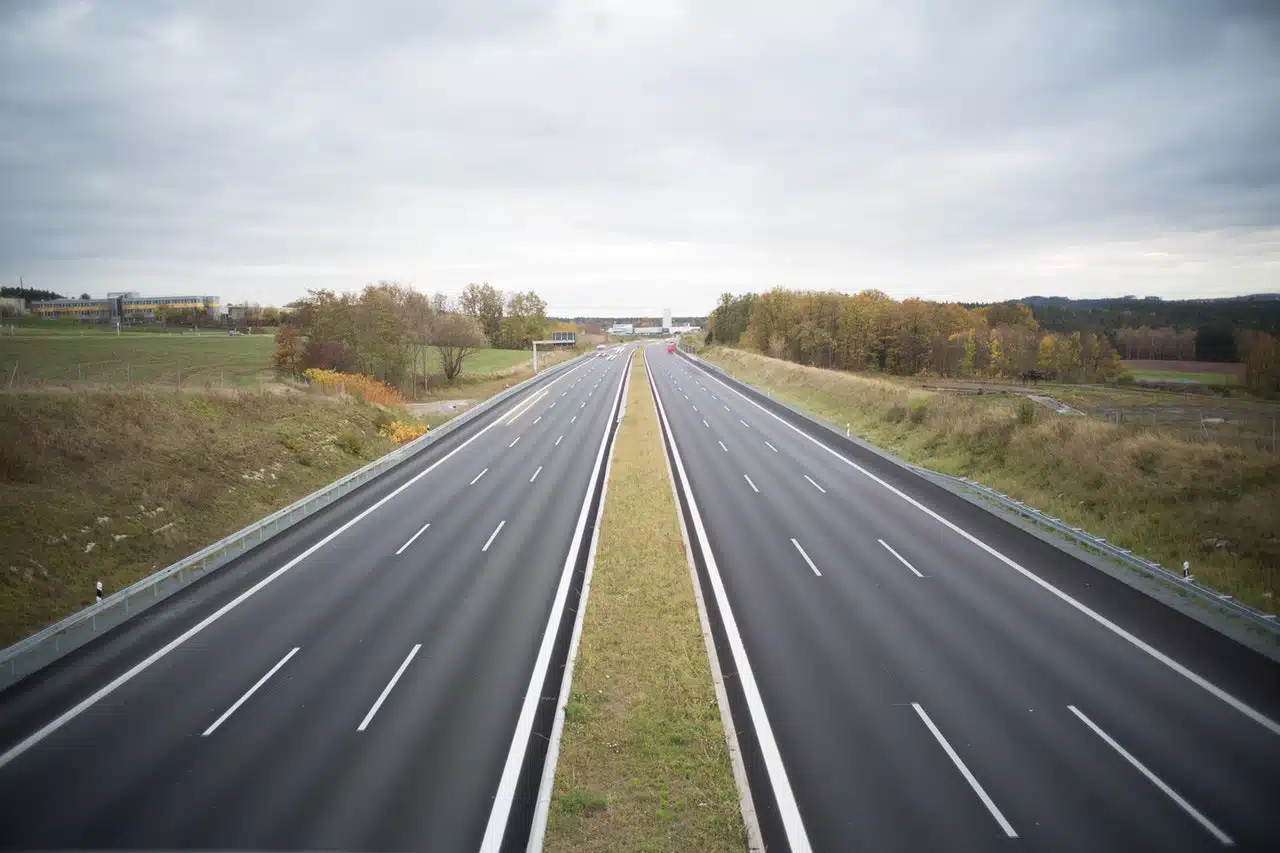
Common Causes of Accidents on I-93 Near Concord and Manchester







Maximizing Your Benefits After a Work-Related Injury
What makes I-93 New Hampshire’s most dangerous highway.
Car accidents on I-93 near Concord and Manchester are most often caused by distracted driving, speeding, heavy truck traffic, and hazardous weather conditions such as black ice. This corridor carries high volumes of commuter and commercial traffic and is affected by winter weather that can reduce traction and visibility.
What Causes Most Accidents on I-93 Near Concord and Manchester?
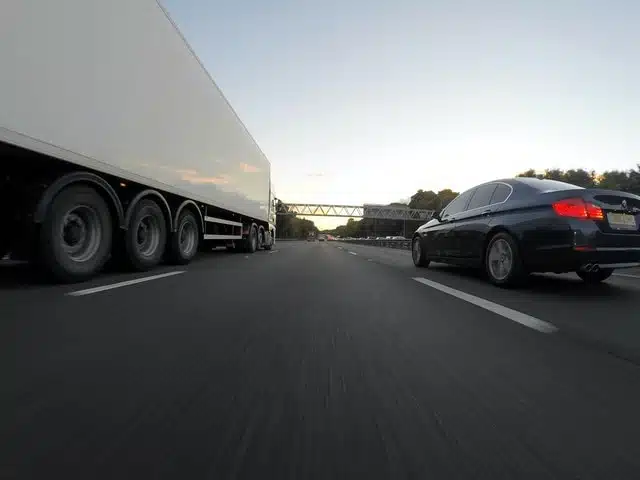
Most accidents on I-93 near Concord and Manchester are caused by driver behavior, including distraction and speeding, along with weather and road conditions. The causes below explain why this stretch of road sees so many serious crashes each year.
Distracted Driving
Distracted driving is one of the top causes of crashes on I-93. Taking your eyes off the road for even two seconds at highway speed can mean missing a stopped car or a sudden lane shift.
Near Exit 12 in Manchester, traffic can slow fast during rush hour. A driver who looks at a phone may not see cars stopped ahead until it’s too late. At 65 mph, that gap closes in less than three seconds.
Speeding and Aggressive Driving
Speeding makes crashes more likely and more severe. On I-93, the speed limit reaches 70 mph in some areas, and many drivers go faster, leaving less time to react.
Tailgating and cutting across lanes are common near Concord and Manchester during peak hours. These moves cause sudden stops and pile-up crashes that can pull in several cars at once.
Large Truck Crashes
I-93 carries heavy truck traffic between major freight points in New Hampshire and beyond. Large trucks need far more space to stop than a car does. When a truck driver is tired or not paying attention, that extra stopping distance runs out fast.
Truck accidents are more likely to result in serious injuries due to the size and weight difference between vehicles. Federal rules from the Federal Motor Carrier Safety Administration (FMCSA) limit how long truck drivers can work each day, but violations may still occur.
Why Do Weather and Road Conditions Make I-93 More Dangerous?
Weather and road conditions significantly increase crash risk on I-93, especially during winter months. Road and weather issues add risk that drivers can’t always control.
On I-93, these factors stack on top of driver error and make even a small mistake much harder to recover from.
Black Ice and Winter Weather
Black ice and snow are a serious threat on I-93 through Concord and Manchester. Bridges and shaded road sections near Hooksett can stay icy long after nearby roads clear.
Black ice is nearly impossible to see. A driver moving at normal speed may have no warning before losing grip. On I-93, these conditions last from late fall through early spring each year.
Short Merge Lanes and Busy Ramps
Several on-ramps along I-93 have very short merge lanes. Drivers entering the highway must speed up fast to match traffic, while drivers already on the road may need to shift over. When both happen at once, sideswipe and rear-end crashes follow.
These ramps are most risky during rush hour near Manchester’s downtown exits, where traffic is thick and there’s little room for error.
Construction Zones
Active work zones on I-93 shift lanes and cut speed limits, especially near Concord where road work has been ongoing. Drivers who don’t slow down in time put workers and other drivers at risk.
Narrow lanes, close barriers, and sudden lane shifts all raise crash risk in these zones. Construction work on I-93 appears regularly throughout the year.
Aging Road and Poor Lighting
Some sections of I-93 outside the city centers have worn pavement and low lighting at night. In poor light, it’s harder to spot debris, a stopped car, or a hazard near an exit ramp. These road issues matter most after dark or in bad weather.
Contact UsHow Do Fatigue and Impaired Driving Raise Crash Risk on I-93?

Driver fatigue and impairment are significant contributors to car accidents on I-93, even in normal driving conditions. These causes are often less obvious than a patch of ice or a work zone sign, but they cause just as many serious crashes.
Drowsy Driving
Long stretches of I-93 between exits can make drivers feel too relaxed, especially on early-morning or late-night trips. Fatigue slows how fast you can react and makes it harder to judge distance. Tired drivers often drift out of their lane without knowing it.
Truck drivers face this risk most. Federal rules cap how many hours they can drive, but a driver near the end of a long shift may still be too tired to react in time. Near the Concord exits, a driver who drifts into the next lane can clip another car at highway speed.
Alcohol and Drug Use
Drunk and drugged driving is a real cause of serious crashes on I-93. Alcohol slows your reaction time and makes it hard to track the road or judge speed. Some legal drugs have the same effect.
Crash data shows more drunk driving crashes near Manchester on weekend nights. These crashes happen at high speed and often hurt drivers who had no warning they were in danger.
Low Light After Dark
Parts of I-93 outside Concord and Manchester have little overhead lighting. In the dark, there’s less time to see a hazard, a stopped car, road debris, or someone near an exit ramp. Driving at night raises the risk of a crash, and it makes fatigue and drunk driving even more dangerous.
What Should You Do If You Were Hurt on I-93?
If you were in a crash on I-93 near Concord or Manchester, understanding what caused it matters. The cause shapes how a legal claim is built, whether it was a distracted driver, a tired truck driver, or a road defect.
If you have questions about a crash on I-93, consider talking to a New Hampshire car accident attorney who knows this road and how these cases work. Sabbeth Law serves clients across New Hampshire. You can reach out through the contact page to ask questions or get started.
How Do Fatigue and Impaired Driving Raise Crash Risk on I-93?
Driver fatigue and impairment are significant contributors to car accidents on I-93, even in normal driving conditions. These causes are often less obvious than a patch of ice or a work zone sign, but they cause just as many serious crashes.
Drowsy Driving
Long stretches of I-93 between exits can make drivers feel too relaxed, especially on early-morning or late-night trips. Fatigue slows how fast you can react and makes it harder to judge distance. Tired drivers often drift out of their lane without knowing it.
Truck drivers face this risk most. Federal rules cap how many hours they can drive, but a driver near the end of a long shift may still be too tired to react in time. Near the Concord exits, a driver who drifts into the next lane can clip another car at highway speed.
Alcohol and Drug Use
Drunk and drugged driving is a real cause of serious crashes on I-93. Alcohol slows your reaction time and makes it hard to track the road or judge speed. Some legal drugs have the same effect.
Crash data shows more drunk driving crashes near Manchester on weekend nights. These crashes happen at high speed and often hurt drivers who had no warning they were in danger.
Low Light After Dark
Parts of I-93 outside Concord and Manchester have little overhead lighting. In the dark, there’s less time to see a hazard, a stopped car, road debris, or someone near an exit ramp. Driving at night raises the risk of a crash, and it makes fatigue and drunk driving even more dangerous.
What Should You Do If You Were Hurt on I-93?
If you were in a crash on I-93 near Concord or Manchester, understanding what caused it matters. The cause shapes how a legal claim is built, whether it was a distracted driver, a tired truck driver, or a road defect.
If you have questions about a crash on I-93, consider talking to a New Hampshire car accident attorney who knows this road and how these cases work. Sabbeth Law serves clients across New Hampshire. You can reach out through the contact page to ask questions or get started.