
What to Know About T-Bone Accident Injuries

What You Need To Know About Side Impact Collision Injuries







Side impact collision injuries, often called T-bone accident injuries or broadside crash injuries, are among the most dangerous types of car accident injuries. These crashes strike the side of a vehicle, where there is far less structural protection compared to the front or rear. Understanding how these injuries occur, what symptoms to watch for, and how the legal process works can help you protect both your health and your right to compensation.
Why Side Impact Collisions Are So Dangerous
In Vermont, many of these accidents happen at intersections and often involve failure to yield or traffic signal violations.
Side impact crashes are uniquely severe because of how force is transferred through the vehicle and into the body. When a car is hit from the side, the distance between the occupant and the point of impact is minimal. This means the body absorbs more of the force directly.
Limited Structural Protection
Unlike the front of a vehicle, which includes crumple zones designed to absorb impact energy, the side has far less space to dissipate force. Even with reinforced doors and side airbags, protection is still limited compared to that in frontal collisions.
Direct Impact on Occupants
In many T-bone accidents, the person sitting on the impacted side takes the full force of the crash. This can lead to immediate and severe trauma, especially to the head, torso, and pelvis.
Severity Factors That Increase Risk
The severity of a side-impact collision often depends on several key factors. Higher speeds increase the force of impact, while a direct 90-degree collision tends to cause more damage than a glancing blow.
Vehicle size also matters. Smaller cars typically sustain more damage when struck by larger vehicles such as trucks or SUVs.
These variables explain why side impact collision injuries are often more severe and more complex than other types of car accident injuries.
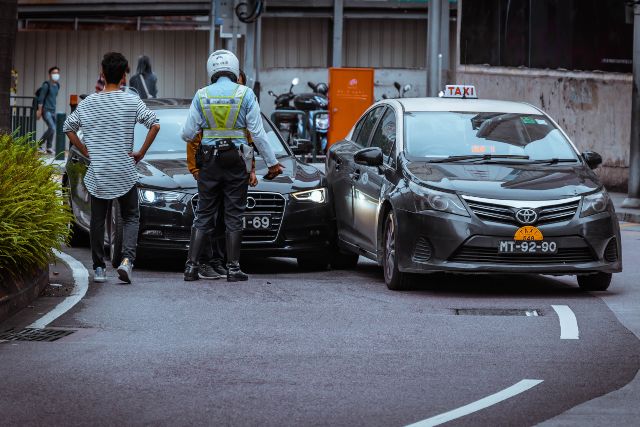
Common Side Impact Collision Injuries and Symptoms
Side impact collisions can cause a wide range of injuries, many of which may not appear immediately. One of the biggest risks is that victims often feel “fine” at the scene, only to develop symptoms hours or days later.
Head and Brain Injuries
Head injuries are extremely common in T-bone accidents. The sudden sideways motion can cause the brain to move within the skull, leading to concussions or more serious traumatic brain injuries.
Symptoms may include persistent headaches, confusion, memory issues, or difficulty concentrating. In more serious cases, victims may experience long-term cognitive impairment or personality changes.
Neck and Whiplash Injuries
Lateral motion in a side-impact crash places unique stress on the neck. Unlike rear-end collisions, where the neck moves forward and backward, side impacts create a twisting force.
This can lead to stiffness, pain, reduced mobility, and chronic discomfort. Some cases develop into long-term conditions that require ongoing treatment.
Spinal Cord and Back Injuries
The spine is highly vulnerable during a side collision. The force of impact can compress or twist the spinal column, leading to disc injuries, nerve damage, or, in severe cases, paralysis.
These injuries often require extensive medical care and can permanently affect mobility and quality of life.
Chest and Rib Injuries
Because the torso is often closest to the impact point, chest injuries are common. Broken ribs, lung injuries, and internal bleeding may occur even in moderate-speed crashes.
These injuries can be especially serious because internal damage is not always visible right away.
Pelvic and Lower Body Injuries
Side impacts frequently damage the lower half of the vehicle, placing the hips and legs at risk. Victims may suffer fractures to the pelvis, hips, or legs, which can significantly affect mobility.
Recovery often involves surgery, physical therapy, and long-term rehabilitation.
Internal Injuries and Delayed Symptoms
Internal injuries are one of the most serious risks after a side impact crash. Damage to organs or internal bleeding may not be immediately obvious.
Symptoms such as abdominal pain, dizziness, nausea, or fatigue can appear later. This is why medical evaluation is critical, even if you feel fine at first.
Psychological and Emotional Effects
The impact of a serious crash is not just physical. Many victims experience anxiety, sleep disturbances, or post-traumatic stress.
These effects can interfere with daily life and may require therapy or long-term support.
Contact UsCauses of Side Impact Collisions
Most side-impact collisions occur when one driver fails to follow basic traffic rules. These accidents are especially common at intersections.
Intersection and Right-of-Way Violations
The leading cause of T-bone accidents is failure to yield. This often happens when a driver runs a red light or misjudges the speed of oncoming traffic.
In Vermont, intersection crashes are a frequent source of serious injury claims.
Distracted and Impaired Driving
Drivers who are texting, using GPS, or otherwise distracted may miss traffic signals or fail to notice other vehicles. Similarly, impaired drivers often have slower reaction times and poor judgment.
Both situations significantly increase the risk of side-impact crashes.
Speeding and Aggressive Driving
Speed reduces the time available to react and increases the severity of impact. In a side collision, this often means more severe injuries and greater vehicle damage.
Weather and Road Conditions
Vermont’s weather can contribute to these crashes. Snow, ice, and reduced visibility make it harder to stop or control a vehicle, especially at intersections.
Vehicle Design and Safety Limitations
Not all vehicles offer the same level of side-impact protection. Smaller vehicles or older models may lack advanced safety features, increasing the risk of injury.
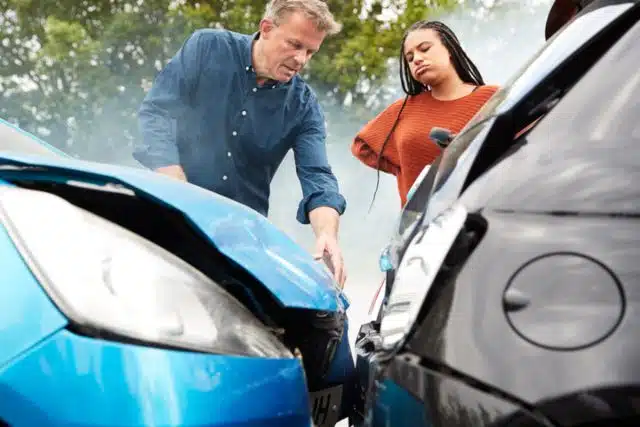
Legal Implications of Side Impact Collisions in Vermont
Vermont follows a fault-based system, meaning the person responsible for the accident is also liable for the damages.
Comparative Fault Rule
Under Vermont law, you can still recover compensation if you are partially at fault. However, your recovery is reduced based on your percentage of fault.
For example, if you are found 20% responsible, your compensation will be reduced by 20%.
Determining Liability
Liability in side impact collisions often depends on traffic laws. Running a red light, failing to yield, or speeding can all establish fault.
Evidence such as police reports, witness statements, and accident reconstruction can play a key role in proving responsibility.
Complex Liability Scenarios
Some cases involve multiple parties. For example, a defective vehicle component or poorly maintained road may contribute to the crash.
These situations require a deeper investigation to determine all responsible parties.
Contact UsSteps To Take After a Side Impact Collision
What you do after the accident can significantly affect both your recovery and your legal claim.
Immediate Medical Evaluation
Always seek medical care as soon as possible. Many serious injuries, including internal bleeding or brain injuries, may not show symptoms right away.
Document the Scene
Take photos of the vehicles, the intersection, traffic signals, and any visible injuries. This documentation can be critical later.
Gather Information
Collect contact and insurance details from all involved parties. If there are witnesses, try to get their statements as well.
Report the Accident
Notify law enforcement and your insurance company. A police report provides an official record of the incident.
Monitor Your Symptoms
Keep track of any changes in your condition. Documenting your symptoms helps connect your injuries to the accident.
Seek Legal Guidance
Because side impact collision injuries are often severe and disputed, speaking with an attorney can help protect your rights and strengthen your claim.
Compensation Available for Side Impact Collision Injuries
The value of a claim depends on how the injury affects your life.
Economic Damages
These include medical expenses, lost income, and the cost of future care. Severe injuries may require long-term treatment or rehabilitation.
Non-Economic Damages
These address the personal impact of the injury, including pain, emotional distress, and reduced quality of life.
Long-Term and Catastrophic Injuries
In serious cases, compensation may include future lost earnings, ongoing care needs, and permanent disability.

Why Legal Guidance Matters in T-Bone Accident Cases
Side impact collision cases are often more complex than they appear. Insurance companies may try to minimize injuries or shift blame.
An attorney can help by building a strong case, gathering evidence, and negotiating for fair compensation. This becomes especially important when injuries are severe or liability is disputed.
Sabbeth Law represents clients across Vermont and New Hampshire who have suffered side impact and T-bone accident injuries.
The firm focuses on understanding the full impact of your injuries and building a case that reflects your reality, not just what insurance companies are willing to offer.
Frequently Asked Questions
What is a side impact collision?
A side impact collision occurs when one vehicle strikes the side of another, often at an intersection. These are also known as T-bone or broadside accidents.
Why are T-bone accidents so dangerous?
They are dangerous because the side of a vehicle offers less protection, allowing more force to reach occupants directly.
What injuries are most common?
Common injuries include brain injuries, spinal damage, rib fractures, internal injuries, and pelvic injuries.
Can injuries appear later?
Yes. Many injuries, especially internal or brain-related ones, may not show symptoms immediately.
Can I recover compensation if I was partially at fault in Vermont?
Yes. Vermont allows recovery under comparative fault rules, but your compensation will be reduced by your share of fault.
Contact UsClient Testimonials
“Immediately after my son’s injury at work, he was treated poorly. Over the course of the next few days it became even worse, so I called Mike and he and Crystal have been absolute lifesavers during the process. Mike is not your typical stuffed suit lawyer who only cares about the bottom line he genuinely cares about his clients and his assistant Crystal is beyond amazing! My thanks to you both!”
LUKE PARMENTER
“I could never ask for a better attorney, to fight for me, to believe in me, and have faith in me, than what I found in Mike Sabbeth, He doesn’t treat you like a client, he treats you as if you are one of his own family members, He will fight for you, with all he has, and is ALWAYS up front and honest with you about everything!”
SANDRA DRUGE