
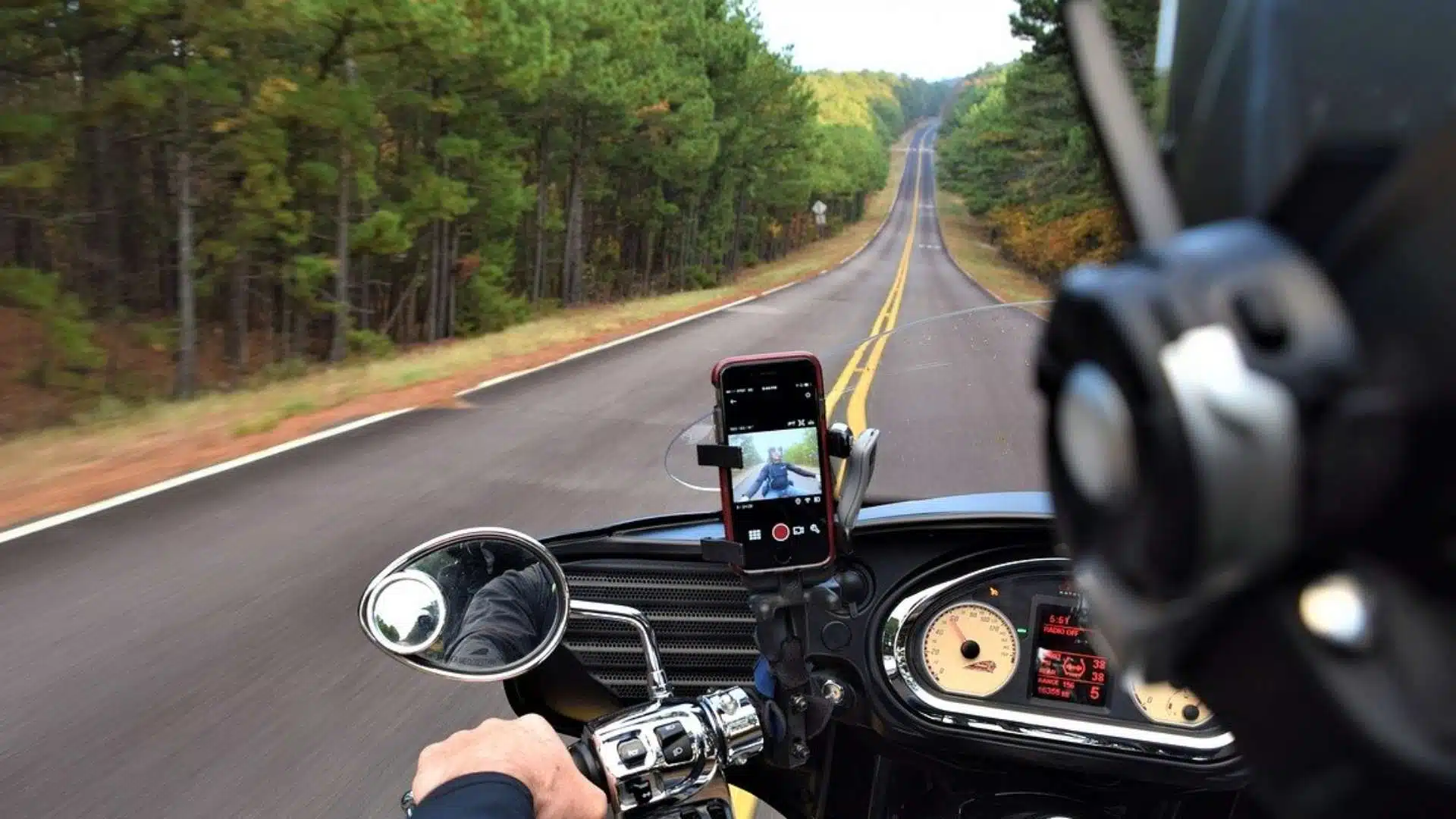
What If the At-Fault Driver Was Texting While Driving







Proving Liability, Evidence, and Compensation in Distracted Driving Cases
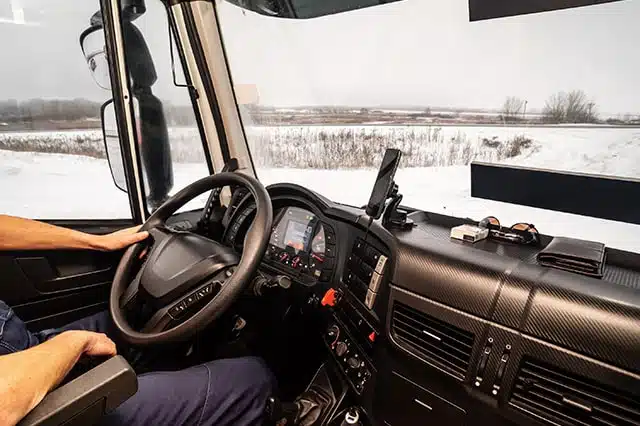
Texting while driving is more than a bad habit—it is a dangerous, illegal choice. The “football field” analogy makes the risk clear. At 55 mph, looking at a phone for 5 seconds is like driving 100 yards blindfolded. In that time, a driver can miss brake lights, pedestrians in a crosswalk, or a curve in the road. That is how serious crashes happen.
Distraction is not only manual or visual. Cognitive distraction—what researchers call inattentional blindness—means a driver can look at the road and still fail to see it. Even “hands-free” texting or voice-to-text divides attention. The driver hears and speaks, but the brain stops processing threats with the same focus. They miss signs, drift in the lane, or fail to brake at all.
When you are hurt because another driver was on their phone, the law can work in your favor.
At Sabbeth Law, we fight for people injured by distracted drivers across Vermont and New Hampshire. We understand the hidden dangers of distraction and how to turn that proof into a strong claim. Our team is ready to move fast, preserve evidence, and build a case that reflects the full impact of your injuries.
How Texting While Driving Impacts Legal Liability
In most personal injury cases, we prove negligence by showing duty, breach, causation, and damages. Texting while driving changes that analysis in a critical way through negligence per se.
Because texting while driving is illegal in both New Hampshire and Vermont, violating those statutes can automatically establish a breach of duty. This is referred to as negligence per se because the negligence committed is inherently punishable. This is different from negligence, which requires proof that the damage was caused by the driver’s failure to act as a reasonable person would in such a situation.
Negligence per se streamlines your case. Once we establish a statutory violation, we focus on causation (how the texting caused the crash) and your damages (medical costs, lost wages, and more). This approach strengthens your position in negotiations and in court.
While enforcement practices differ, Vermont and New Hampshire treat the use of handheld devices and texting as serious violations. This supports your claim when the other driver chose to text behind the wheel.
Vermont and New Hampshire Hands-Free Laws
Understanding local law helps answer the question: If the at-fault driver was texting while driving in Vermont or New Hampshire, can they be held liable? The answer is a resounding yes.
- Vermont (23 V.S.A. § 1095b & 23 V.S.A. § 1099): Vermont bans handheld device use and texting while driving, even when a vehicle is stopped at a red light. That strict approach leaves little room for excuses and helps establish the breach of duty when we prove phone use.
- New Hampshire (R.S.A. 265:79): New Hampshire’s “Hands-Free” law makes texting and handheld use a primary offense (reckless driving). Police can stop a driver based solely on suspected phone use. This creates a clear enforcement record that we can use as part of your case.
These statutes reinforce that texting while driving is not a simple mistake—it is an illegal act.
Contact UsEvidence to Prove Texting at the Time of the Accident
When we build a texting-and-driving case, proof matters. If you or your loved one was injured in a car accident where the at-fault party was texting, the next step is to secure specific evidence as fast as possible. We use multiple methods to confirm phone use and link it to the crash.
- Subpoenaing cell records: Through legal discovery, we obtain carrier records that show timestamps of texts sent and received, call logs, and data activity. If those timestamps align with the crash time, we have compelling evidence that a distraction was present.
- Event Data Recorder (EDR) downloads: Vehicles often store pre-crash data, such as speed, throttle, braking, and steering inputs. A hallmark of distraction is a complete lack of braking or steering before impact. When EDR data shows no evasive action and cell records show phone activity, the two often reinforce each other.
- Digital forensic analysis: Social media engagement can leave a time-stamped trail. Likes, posts, comments, or messages that occur at or near the moment of impact can demonstrate active phone use.
- Witness testimony: People nearby may see the driver looking down, notice the glow of a screen, or hear the driver admit to texting. Capturing those statements right away strengthens the narrative of negligence.
As your experienced car accident attorneys, we move fast to send preservation letters that prevent the deletion of relevant data. We also work with a national network of experts, including accident reconstructionists, telecommunications analysts, and digital forensic specialists, to analyze each piece of evidence and present it clearly.
How Texting While Driving Can Increase Your Compensation
Texting is not just negligent; it can be reckless. That difference matters when you find yourself asking, what if the at-fault driver was texting while driving, and what can I recover? In some cases, proof of texting opens the door to punitive damages in Vermont or enhanced compensatory damages in New Hampshire.
- Vermont Punitive Damages
Vermont allows punitive damages when the conduct demonstrates actual malice or reckless disregard for safety. Texting in hazardous conditions, such as a school zone, in heavy traffic, during storms, or at high speeds, can meet this threshold. Punitive damages punish wrongful conduct and deter similar behavior in the future.
- New Hampshire Enhanced Compensatory Damages
While New Hampshire generally does not permit punitive damages, it allows enhanced compensatory damages in cases where the conduct is wanton or oppressive. Prolonged texting, repeated violations, or texting after prior warnings can support enhancement.
We investigate the setting, traffic, prior behavior, and the sequence of digital activity. We then connect those facts to the legal standards that allow additional recovery.
The goal of our Sabbeth Law team is straightforward: establish liability, prove the full scope of your damages, and pursue every category of compensation the law allows.
Challenges in Proving Texting While Driving and How We Can Overcome Them

Many insurance carriers try to cast doubt on texting claims. They may argue that a lack of braking does not prove phone use. They may attack witness credibility, argue that records are incomplete, or claim the timing does not match. We anticipate these arguments and build cases that withstand scrutiny.
We also often see comparative fault arguments. Insurers attempt to shift responsibility to you to reduce the amount they owe. When we prove texting with credible records, EDR data, and reliable testimony, that defense weakens fast. Texting is a conscious choice to look away from the road; it is not a fleeting mistake. Texting while driving is a violation that puts others at risk.
If you are having doubts about your legal options when the at-fault driver was texting because the insurer is blaming you, understand this: proving the other driver’s illegal phone use can shatter comparative fault arguments and reposition your case for a fair outcome.
Protecting Your Rights and Maximizing Recovery After a Car Accident
At our firm, we focus on complex personal injury cases, including those involving serious distracted driving. We act quickly, preserve evidence, and coordinate expert analyses that clarify what happened and why it happened. Our approach is practical and aggressive because your recovery depends on it.
Here is what we recommend you do at the scene and in the days after the crash:
- Look for visual cues of distraction. Note if the other driver is holding a device, scrambling to hide it, or has a phone visible on the floorboard or seat. These observations matter.
- Tell the responding officer you suspect texting. Ask that it be included in the report. Clear language, such as “texting while driving” or “distracted by a phone,” helps create an official record.
- Document everything you safely can. Take photos of the vehicles, debris, the roadway, and any visible devices. Collect witness names and contact information.
- Seek medical care and follow through. Medical records connect the crash to your injuries and help establish damages.
- Contact Sabbeth Law quickly so we can send preservation letters, request records, and secure vehicle and EDR data before it is lost.
We leverage a national network of experts to analyze EDR downloads, call and text logs, and human factors evidence. We also understand the safety priorities highlighted in reports like NHTSA’s Vermont Highway Safety Plan Annual Report, and we align our strategy with how local courts and juries view texting behind the wheel.
Contact a Car Accident Lawyer to Help Secure Your Compensation
When a driver chooses to text, they choose to ignore the road. The law in Vermont and New Hampshire is clear, and the evidence can prove distraction at the exact moment it mattered. We use that proof to demand full compensation for your medical costs, lost income, pain and suffering, and, when appropriate, punitive or enhanced awards.
Our role as your personal injury attorney is to determine:
- Liability: Texting is illegal and constitutes a breach of duty under the doctrine of negligence per se.
- Evidence: Cell records, EDR data, digital forensics, and witnesses can confirm phone use at impact.
- Damages: We pursue the full measure of your losses and, where justified, additional damages tied to reckless conduct.
At Sabbeth Law, we are honest about the process and the challenges. While no outcome is guaranteed, we bring the resources, urgency, and experience needed to fight for the best possible result in your case.
Schedule your free consultation today. We are ready to move quickly, protect your rights, and build the strongest case possible for your recovery across Vermont and New Hampshire.
Contact UsClient Testimonials
“Immediately after my son’s injury at work, he was treated poorly. Over the course of the next few days it became even worse, so I called Mike and he and Crystal have been absolute lifesavers during the process. Mike is not your typical stuffed suit lawyer who only cares about the bottom line he genuinely cares about his clients and his assistant Crystal is beyond amazing! My thanks to you both!”
LUKE PARMENTER
“I could never ask for a better attorney, to fight for me, to believe in me, and have faith in me, than what I found in Mike Sabbeth, He doesn’t treat you like a client, he treats you as if you are one of his own family members, He will fight for you, with all he has, and is ALWAYS up front and honest with you about everything!”
SANDRA DRUGE