
Understanding Who May Be Responsible.

What is Third-Party Liability in a Car Accident: Pointers from Sabbeth Law






Your Right to Compensation When Third Parties Are Involved
If another person or business contributes to a car accident, you may be able to seek compensation through a third-party claim. Understanding who may be responsible and which insurance applies can help you decide what to do next. This guide explains how third-party liability works and what it may mean for your car accident claim.
What Is Third-Party Liability in a Car Accident?
Third-party liability refers to the legal responsibility of another person or entity for injuries or property damage caused by a car accident. If another driver causes the crash, for example, you may be able to make a claim against that driver’s liability insurance.
A third-party claim differs from a first-party claim. In a first-party claim, you seek coverage through your own insurance policy. In a third-party claim, you seek compensation from the person or entity responsible for your losses, usually through their insurer.
Liability insurance generally includes two main types of coverage:
- Bodily injury liability: May cover losses related to injuries suffered by other people in an accident.
- Property damage liability: May cover damage to another person’s vehicle or other property.
In Vermont, drivers are generally required to carry liability insurance. The amount of coverage available and the type of claim you may need to make will depend on the accident and the insurance policies involved.
When Can Third-Party Liability Apply After a Car Accident?
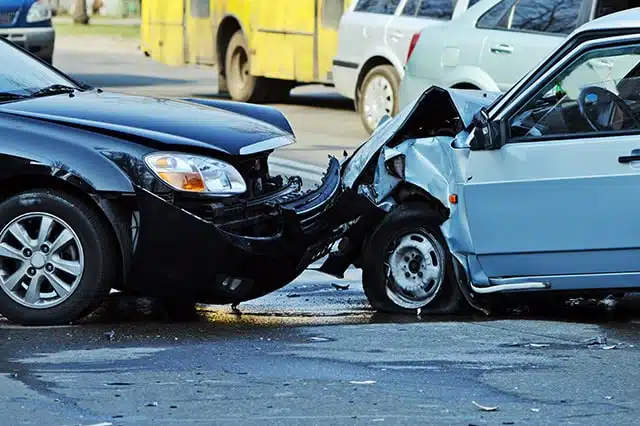
Third-party liability is not limited to crashes involving two individual drivers. Depending on how the accident happened, another driver, business, manufacturer, or public entity may share responsibility.
Common situations include:
- Multi-Car Accidents: When several vehicles are involved, multiple drivers may share responsibility. Determining liability often requires reviewing how the collision occurred and each driver’s actions.
- Commercial Vehicle Accidents: A crash involving a delivery truck, commercial vehicle, or rideshare driver may involve additional parties, such as an employer or vehicle owner.
- Poor Road Conditions: If a dangerous road condition contributes to a crash, a government or public entity may sometimes be involved. Claims against public entities may be subject to different rules and deadlines.
- Defective Vehicle Parts: If faulty brakes, tires, or another vehicle component contribute to an accident, a manufacturer or other company may potentially be responsible.
Identifying all potentially responsible parties can help determine which insurance policies apply and what sources of compensation may be available.
How Third-Party Liability Can Affect Compensation
A third-party claim may allow an injured person to seek compensation from the party responsible for the accident or that party’s insurer. Depending on the circumstances, compensation may include:
- Medical expenses and future treatment costs
- Lost income and reduced earning capacity
- Property damage
- Pain and suffering and other qualifying losses
Vermont generally follows an at-fault system for car accidents. This means the person responsible for causing a collision may also be responsible for the resulting damages.
The amount available through a third-party claim may depend on several factors, including the extent of your losses, who was responsible, and the applicable insurance limits. If the responsible party does not have enough insurance, other coverage under your own policy may also become relevant.
Reviewing both the at-fault party’s coverage and your own policy, including collision and comprehensive coverage, can help identify the insurance coverage that may apply after an accident.
Steps to Take After a Third-Party Car Accident
What you do after a car accident can affect your health and any insurance claim you later make. If another person may be responsible, consider taking these steps:
- Check for injuries: Call emergency services if anyone needs immediate medical attention.
- Report the accident: Contact law enforcement when required and ask how to obtain a copy of the accident report.
- Document the scene: If it is safe to do so, take photos or videos of the vehicles, road conditions, visible injuries, and other details that may help show what happened.
- Exchange information: Collect the names, contact details, driver’s license information, and insurance information of the drivers involved. If there are witnesses, ask for their contact information as well.
- Seek medical care: Some injuries may not be obvious immediately after a crash. Getting appropriate medical care can also create a record of your injuries and treatment.
- Notify your insurance company: Report the accident promptly and provide the information required under your policy.
- Keep important records: Save medical bills, repair estimates, accident reports, insurance correspondence, and other documents related to the crash.
You may also consider speaking with a car accident attorney if there is a dispute about fault, several parties are involved, or you are unsure which insurance coverage applies.
Proving Third-Party Liability in Vermont
To pursue a third-party liability claim in Vermont, you generally need to show that another party was negligent and that their actions caused your losses.
A negligence claim usually involves four elements:
- Duty of care: The other party owed you a legal duty.
- Breach of duty: The other party failed to meet that duty.
- Causation: The breach contributed to the accident and your injuries.
- Damages: You incurred losses as a result of the accident.
Evidence can play an important role in establishing these elements. Depending on the circumstances of the accident, this may include photographs, witness statements, police reports, medical records, vehicle records, and other information that shows how the crash occurred.
Timing also matters. Vermont’s statute of limitations limits how long you have to file certain car accident claims. Other deadlines may also apply depending on who is involved in the claim.
Liability can become more difficult to determine when several drivers, businesses, or other parties may share responsibility. In these situations, a lawyer can review the available evidence, identify potentially responsible parties, and explain how Vermont law may apply to the claim.
When to Consider Legal Help With a Third-Party Claim
Not every third-party insurance claim requires an attorney. However, legal guidance may be useful when:
- Fault for the accident is disputed
- More than one party may be responsible
- You suffered serious or long-term injuries
- The available insurance may not cover all your losses
- An insurance company denies or disputes your claim
- A business, commercial vehicle, or public entity is involved
- You are unsure which insurance policy applies
A lawyer can review the accident, identify potentially responsible parties, communicate with insurers, and explain your options for pursuing a claim.
If you have questions about a third-party liability claim in Vermont or New Hampshire, contact Sabbeth Law for a free case review.
Frequently Asked Questions
What Is a Third-Party Liability Accident?
A third-party liability accident is one in which you seek compensation from another person or entity that may be responsible for your losses. In a car accident, this often means filing a claim with the at-fault driver’s liability insurer rather than relying solely on your own insurance coverage.
Is It Better to File a Third-Party Claim?
It depends on the circumstances of the accident and the available insurance coverage. A third-party claim may allow you to seek compensation from the party responsible for your injuries and other losses. In some cases, you may also have coverage available through your own insurance policy.
What Happens if Someone Hits My Car and I Only Have Liability Coverage?
If another driver causes the accident, you may be able to seek compensation through that driver’s liability insurance. Your own liability coverage generally pays for injuries or property damage you cause to others rather than damage to your own vehicle. The coverage available will depend on the accident and the insurance policies involved.
What Does Third-Party Liability Insurance Cover?
Third-party liability insurance generally covers injuries or property damage caused by the policyholder to another person, subject to the policy’s terms and limits. For an injured person making a third-party claim, this may include medical expenses, lost income, property damage, and other qualifying losses.
How Long Do I Have to File a Third-Party Car Accident Claim in Vermont?
The deadline depends on the type of claim and the parties involved. Vermont has a statute of limitations for car accident claims, and different deadlines may apply in some situations. It is important to identify the applicable deadline early, so you do not lose the right to pursue your claim.
Contact UsClient Testimonials
“Immediately after my son’s injury at work, he was treated poorly. Over the course of the next few days it became even worse, so I called Mike and he and Crystal have been absolute lifesavers during the process. Mike is not your typical stuffed suit lawyer who only cares about the bottom line he genuinely cares about his clients and his assistant Crystal is beyond amazing! My thanks to you both!”
LUKE PARMENTER
“I could never ask for a better attorney, to fight for me, to believe in me, and have faith in me, than what I found in Mike Sabbeth, He doesn’t treat you like a client, he treats you as if you are one of his own family members, He will fight for you, with all he has, and is ALWAYS up front and honest with you about everything!”
SANDRA DRUGE