
Enfield, Plainfield,Bow, How Improper Truck Maintenance Causes Serious Highway Crashes







How Neglected Repairs Increase Highway Crash Risks.
When a large truck isn’t properly maintained, the consequences on the road can be severe — for everyone nearby. Brake failures, blown tires, and faulty lights are among the most common causes of serious truck crashes, and they are often preventable. This guide explains how poor truck maintenance leads to highway crashes, who may be responsible, and what the process looks like for those affected.
Common Truck Defects Behind Highway Collisions
Truck accidents caused by poor maintenance are often very different from ordinary car accidents. When a brake system fails, or a tire blows out at highway speed, the underlying cause may trace back to decisions made long before the truck entered the road — skipped inspections, delayed repairs, or ignored warning signs during routine safety checks.
Commercial trucks can weigh up to 80,000 pounds when fully loaded. At highway speeds, even a single mechanical failure can lead to catastrophic injuries or fatalities. People involved in these crashes may suffer spinal injuries, traumatic brain injuries, fractures, or other life-altering harm that requires months or years of recovery.
These cases are also more complex because responsibility does not always fall solely on the driver. Under federal regulations, trucking companies must regularly inspect, maintain, and repair the vehicles in their fleet. When those obligations are ignored, inspection reports, repair records, and driver logs may help show what problems existed — and whether they were addressed.
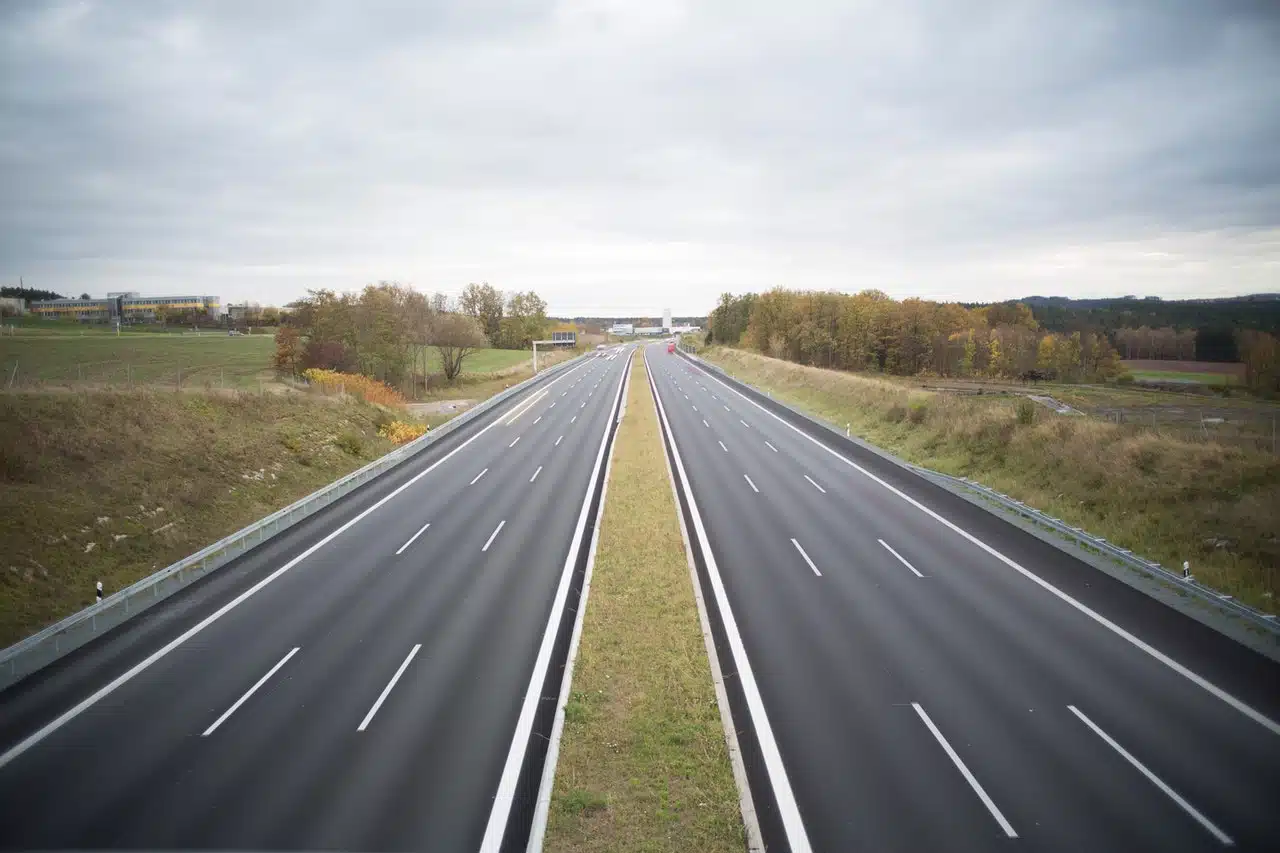
On major trucking routes throughout Vermont and New Hampshire — including I-91, I-89, and I-93 — commercial traffic moves year-round in changing weather and road conditions. Understanding how maintenance failures contribute to serious crashes can help injured drivers and families better understand how liability is determined after a collision.
How Poor Truck Upkeep Leads to Crashes in Vermont and New Hampshire
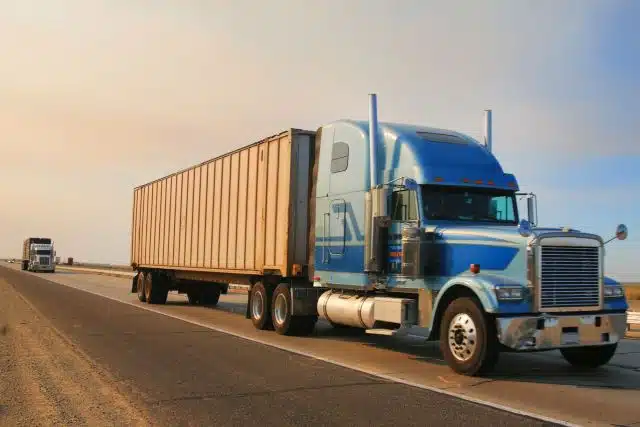
Under Federal Motor Carrier Safety Administration (FMCSA) regulations, trucking companies are responsible for inspecting, repairing, and maintaining every commercial vehicle in their fleet. Drivers must also complete pre-trip inspections and report any safety concerns before operating a truck. When those steps are skipped or repairs are delayed, the risk of a serious crash increases significantly.
Truck accident investigations often feature mechanical failures:
- Brake failure: Worn components, overheating systems, or air brake leaks can prevent a fully loaded truck from stopping safely, especially in heavy traffic or poor weather.
- Tire blowouts: Bald tires, uneven wear, or improper inflation can cause sudden loss of control. Tire debris can also strike nearby vehicles or create roadway hazards.
- Steering and suspension problems: Faults in these systems reduce vehicle control and increase the risk of rollovers, jackknife accidents, or lane-departure crashes.
- Defective lights and signals: Broken brake lights, headlights, or turn signals make large trucks harder to see at night or in rain, snow, or fog.
When a crash results from neglected maintenance, liability may extend beyond the driver to the carrier, a maintenance contractor, or another party involved in servicing the truck.
Contact UsWhen Liability Gets Complicated in Truck Crash Cases
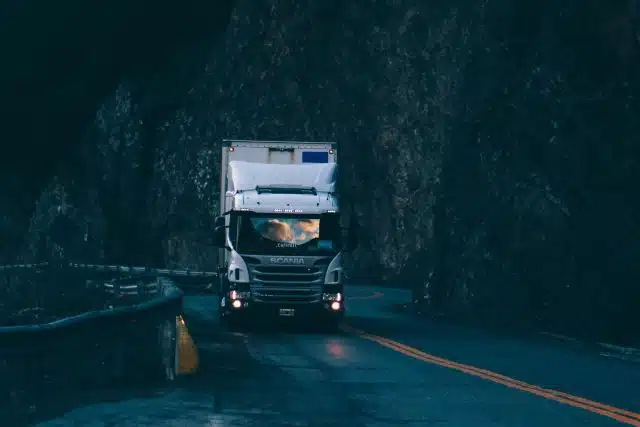
Not every truck maintenance case leads to a straightforward answer regarding fault. Depending on the circumstances, responsibility may be shared among multiple parties, and identifying each party requires a close review of records, contracts, and inspection records.
- Third-party repair contractors may share fault. Many trucking companies hire outside shops to handle maintenance and repairs. When a contracted mechanic fails to fix a known problem, both the shop and the carrier may be held responsible for the outcome.
- Improper cargo loading can shift liability. In Vermont and New Hampshire, improperly secured or distributed loads can put excessive weight on axles, leading to tire blowouts or rollover crashes. In these situations, the loader — not the driver — may be the responsible party, though the truck owner may also face claims if the unsafe load was known to them.
- Multiple defects can each play a role. Some crashes involve more than one mechanical failure — a worn tire combined with a faulty brake system, for example. Vermont and New Hampshire both follow comparative fault rules, meaning courts can weigh each party’s contribution and assign responsibility accordingly.
- Incomplete records don’t always end a case. FMCSA regulations require carriers to maintain strict inspection and repair logs. Gaps or violations in those records can serve as evidence of negligence, but a full picture often requires pulling repair invoices, driver logs, and third-party service records as well.
- Out-of-state carriers add a jurisdictional question. Crashes on Vermont and New Hampshire highways frequently involve trucking companies based in other states. When that happens, determining which state’s laws apply becomes part of the legal process.
What Happens After a Truck Collision in Vermont or New Hampshire

Truck accident cases move through several clear stages. Knowing what to expect at each step can help reduce uncertainty during a difficult time.
- Preserve evidence: The first weeks are critical. Electronic logging device (ELD) data, maintenance records, and inspection logs can be lost or overwritten quickly. A preservation request can be sent to the trucking company early to ensure key records are not destroyed.
- Review fault and gather records: Service logs, inspection reports, and driver records are pulled and reviewed. In Vermont and New Hampshire, this may involve formal discovery requests. Technical experts may be brought in to assess brake, tire, or steering data and identify the root cause of the failure.
- File the claim: A personal injury claim can be filed in Vermont Superior Court or the appropriate New Hampshire court. Both states allow three years from the crash date to file — missing that deadline can permanently bar the right to seek damages.
- Negotiate or prepare for trial: Most cases are resolved through settlement before reaching trial. Both sides exchange evidence and take depositions during this phase. If a fair settlement cannot be reached, the case proceeds to court.
- Resolution: Trials in Vermont or New Hampshire typically take one to three years from filing. Cases involving clear maintenance violations or strong documentary evidence often resolve sooner through settlement.
When to Speak With an Attorney About Truck Maintenance Crashes
If you or a loved one was injured in a truck crash in Vermont or New Hampshire, it may be helpful to speak with an attorney as soon as possible. Maintenance-related truck accident cases often involve inspection records, repair histories, driver reports, and other evidence that may only be available for a limited period of time.
If poor maintenance played a part in the crash, injured individuals and families can better evaluate their legal options.
Frequently Asked Questions
Can I file a claim if the trucking company is based out of state?
Yes. Vermont and New Hampshire courts may still hear claims against out-of-state trucking companies if the crash occurred within the state. A trucking company’s headquarters location does not necessarily prevent an injured person from filing a lawsuit locally.
Does the age of the truck matter in a maintenance-related crash case?
Not necessarily. An older truck is not automatically unsafe or improperly maintained. What often matters most is whether the trucking company followed inspection schedules, completed repairs, and kept the vehicle in safe operating condition.
What if the driver did not know about the mechanical problem?
The driver’s knowledge is only one part of the investigation. Trucking companies are generally responsible for inspecting and maintaining their vehicles under federal safety regulations. If a known defect was missed or ignored, liability may still extend to the carrier or maintenance provider.
How long do I have to file a truck accident claim in Vermont or New Hampshire?
Both Vermont and New Hampshire impose legal deadlines for filing personal injury claims after a truck accident. In many cases, the deadline is three years from the date of the crash, although certain factors may affect how long an injured person has to file.
What happens if I was partly at fault for the crash?
Vermont and New Hampshire both follow comparative fault rules. This means an injured person may still recover compensation even if they were partially responsible for the collision, though the amount recovered may be reduced by their share of fault.
Contact UsClient Testimonials
“Immediately after my son’s injury at work, he was treated poorly. Over the course of the next few days it became even worse, so I called Mike and he and Crystal have been absolute lifesavers during the process. Mike is not your typical stuffed suit lawyer who only cares about the bottom line he genuinely cares about his clients and his assistant Crystal is beyond amazing! My thanks to you both!”
LUKE PARMENTER
“I could never ask for a better attorney, to fight for me, to believe in me, and have faith in me, than what I found in Mike Sabbeth, He doesn’t treat you like a client, he treats you as if you are one of his own family members, He will fight for you, with all he has, and is ALWAYS up front and honest with you about everything!”
SANDRA DRUGE