
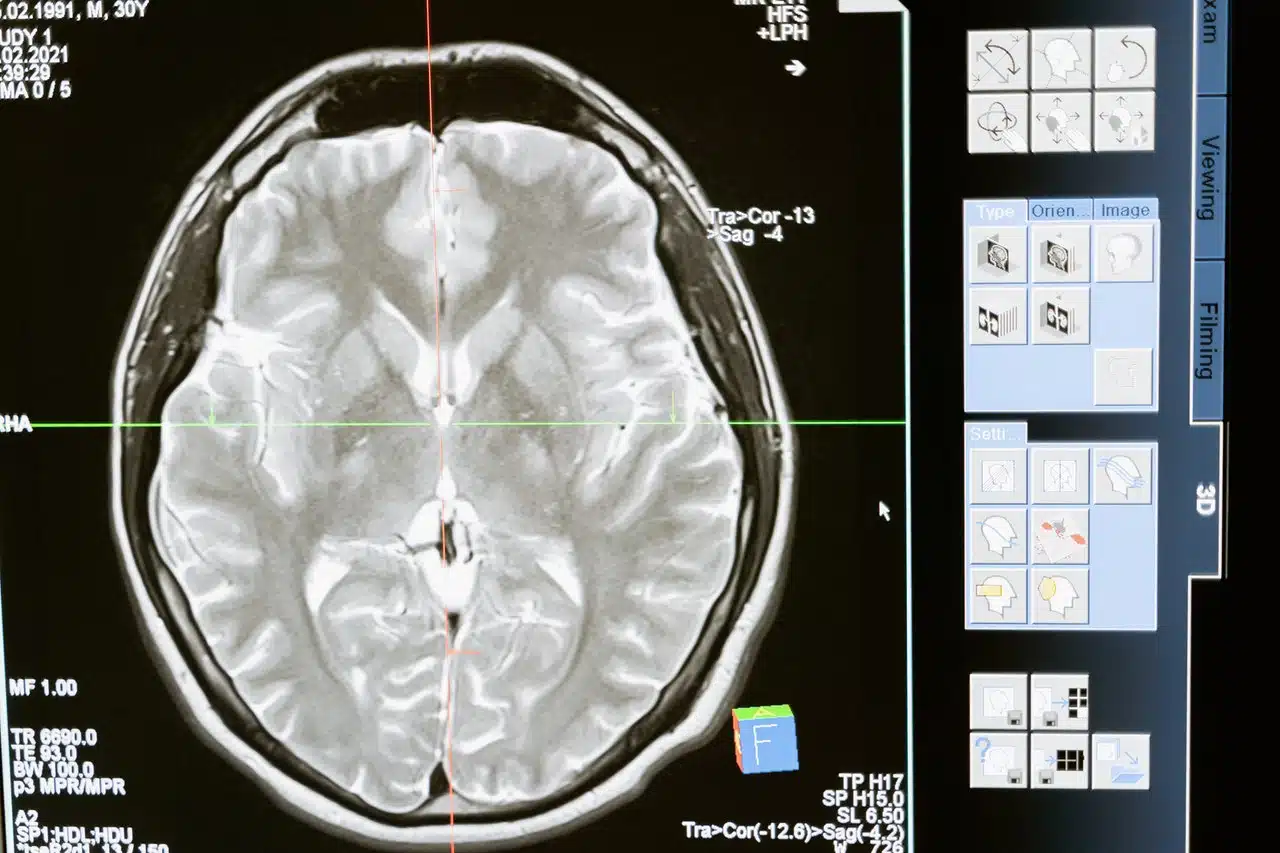
How Are Concussions Treated Differently From Traumatic Brain Injuries in Lawsuits?







Concussions and traumatic brain injuries (TBIs) are both forms of head trauma. But in lawsuits, they are often treated very differently. Courts and insurance companies look closely at how serious the injury is and how it affects a person’s life. Those differences can greatly change how a case is argued and how much compensation may be available.
Legal Classification of Concussions vs. Traumatic Brain Injuries

When a brain injury claim reaches court, one of the first questions is how the injury is medically classified. Concussions and TBIs fall under the same general category of head trauma. Still, the legal system often treats them differently.
The reason is simple. Not all brain injuries have the same severity or long-term impact.
In Vermont personal injury cases, understanding where an injury falls on this spectrum can shape the entire legal strategy.
Concussions in Personal Injury Lawsuits
A concussion is usually considered a mild traumatic brain injury. It happens when a blow or sudden movement causes the brain to move inside the skull. That movement temporarily disrupts how the brain works.
People with concussions often experience symptoms such as headaches, dizziness, confusion, or trouble concentrating. Light sensitivity and memory problems are also common.
For many people, symptoms improve within several weeks. Doctors often recommend rest and a gradual return to normal activities.
Because recovery is often shorter, Vermont courts may treat concussions as injuries with temporary effects. Lawsuits may focus on medical treatment, time missed from work, and the short-term disruption the injury caused.
That does not mean concussion claims are minor. Some people develop lasting symptoms that interfere with daily life. When that happens, the legal claim may still involve significant damages.
Traumatic Brain Injuries in Personal Injury Lawsuits
Traumatic brain injury is a broader category. It includes moderate and severe brain trauma that can cause lasting neurological damage.
These injuries may involve bleeding in the brain, swelling, or damage to brain tissue. The effects can reach many parts of the body and mind.
A person with a serious TBI may struggle with memory, speech, balance, or emotional control. Some victims lose the ability to return to the same job or live independently.
Because the impact is often long-term, TBI lawsuits usually involve larger damage claims. Vermont courts may consider what the lasting impact the injury has on a person’s independence and quality of life.
In legal terms, brain injuries exist on a spectrum. Where a person’s injury falls on that spectrum shapes how the case moves forward.
Why Severity Plays a Central Role in Lawsuits
In brain injury cases, severity matters more than the diagnosis alone. Courts focus on how much the injury changed the person’s life.
For concussions, the main issue is often a temporary disruption of brain function. Many people recover with rest and monitoring. They return to work and normal routines after a short period.
Because of that, concussion lawsuits in Vermont often center on short-term losses. These may include medical treatment, time away from work, and the discomfort caused by symptoms.
TBI cases often look very different. Moderate and severe brain injuries can affect nearly every part of daily life.
An afflicted party may struggle with memory, focus, or emotional regulation. Others experience physical limitations that make work or independent living difficult.
These challenges can require years of therapy or long-term support. As a result, severe TBI claims often involve much larger financial damages.
These claims may include compensation for:
- Long-term rehabilitation and therapy
- Future lost income
- Ongoing medical treatment
- Home modifications or assistive equipment
- Personal care or supervision
Because the impact is greater, these cases often lead to larger settlements or trial verdicts.
The Different Challenges of Proving Each Type of Injury

Brain injury cases also differ in how the injury is shown in court.
Moderate and severe TBIs often come with a clear medical history. Victims may be hospitalized or require neurological treatment right away. Rehabilitation programs and long-term care can also appear in the medical record.
This history helps show how serious the injury is.
Concussions can be harder to explain. Many concussions affect brain function without causing obvious physical damage. A person may look normal but still struggle with headaches, fatigue, or cognitive problems.
Because of this, courts often look at the full timeline of symptoms. They consider how the injury developed, how long symptoms lasted, and how they affected daily activities.
The legal question shifts from identifying the injury to showing how it affected the person’s ability to function.
How Insurance Companies View Concussion Claims
Insurance companies often treat concussion claims with more caution than severe TBI claims.
One reason is that concussions vary widely. Some people recover quickly. Others develop symptoms that last much longer.
Because recovery can differ so much, insurers sometimes question the severity of the injury.
In many cases, disputes focus on issues such as:
- Whether the injury happened as described
- Whether symptoms are related to the accident
- How long recovery should reasonably take
- Whether symptoms affect daily life or work
Traumatic brain injuries usually involve immediate medical treatment. Hospitalization, surgery, or long rehabilitation periods can make the seriousness of the injury clearer.
For that reason, legal disputes in TBI cases often focus less on whether the injury occurred and more on the proper amount of compensation.
The Role of Long-Term Impact in Brain Injury Lawsuits

Courts also look closely at how long the injury affects a person’s life.
In concussion cases, the main question is often how quickly symptoms improve. If someone returns to normal routines quickly, there may be temporary losses.
But some people experience post-concussion syndrome. This condition can cause headaches, sleep problems, memory issues, or mood changes for months or even years.
When symptoms last longer, courts may view the injury differently.
Severe TBIs often involve permanent changes. Victims may lose the ability to perform the same job or manage daily activities independently.
These long-term effects make the legal calculation more complex. Courts may consider decades of medical care and lost income when determining damages.
How Does Legal Strategy Differ Between Concussion and TBI Cases?
Because the injuries differ, lawyers often approach these cases differently.
In concussion lawsuits, the focus is often on the timeline of symptoms and recovery. Attorneys may show how the injury disrupted work, school, or daily routines.
The goal is to demonstrate that the injury had real consequences, even if recovery eventually occurred.
TBI litigation usually focuses on the future. Lawyers examine how the injury affects long-term earning ability, independence, and quality of life.
This often involves estimating future treatment costs and long-term support needs.
In other words, concussion cases often explain the short-term disruption, while TBI cases highlight the long-term impact.
Why Some Brain Injury Cases Lead to Large Settlements
Brain injury claims can vary widely in value.
Some cases resolve quickly with moderate settlements. Others involve large compensation awards. The difference usually depends on how deeply the injury changed the person’s life.
Concussion cases often include compensation for:
- Emergency medical care
- Follow-up doctor visits
- Temporary lost wages
- Pain and discomfort during recovery
In severe TBI cases, compensation may expand to include:
- Lifelong medical care
- Loss of career opportunities
- Ongoing therapy and rehabilitation
- Reduced independence or mobility
Because these injuries can permanently affect the future, courts may award damages that reflect decades of care and financial impact.
When Legal Guidance Becomes Important
Brain injury cases often involve complicated medical and legal issues. Two injuries may appear similar at first, but lead to very different outcomes.
A lawyer can help review medical records, explain how the injury affects daily life, and determine what types of compensation may be available.
Legal guidance can also help when insurance companies attempt to minimize the seriousness of a brain injury.
For individuals in Vermont dealing with the effects of a concussion or traumatic brain injury, speaking with a brain injury attorney at Sabbeth Law can help clarify your options and the potential value of your claim.
Frequently Asked Questions
Can a concussion claim proceed without documented loss of consciousness in Vermont?
Yes. Many concussions occur without loss of consciousness. Courts look at symptoms such as confusion, memory gaps, and balance problems to determine whether a concussion occurred.
How do insurance companies value concussion claims compared to moderate TBIs?
Insurance companies usually expect a faster recovery for concussions. Because of that, they often offer lower settlements. Moderate TBIs often involve longer treatment and greater long-term impact, which can increase damages.
What medical tests help distinguish concussions from TBIs in lawsuits?
Doctors often diagnose concussions through clinical exams and cognitive testing. TBIs may involve imaging tests that show physical damage in the brain. Both types of cases may include additional neurological evaluation.
Can a concussion cause long-term symptoms that courts recognize?
Yes. Some people develop post-concussion syndrome. Symptoms such as headaches, memory problems, and concentration issues may last for months or longer.
How does the statute of limitations apply to concussion and TBI claims in Vermont?
Vermont generally allows three years from the discovery of the injury to file a claim. This timeline applies to both concussion and traumatic brain injury cases.
Client Testimonials
“Immediately after my son’s injury at work, he was treated poorly. Over the course of the next few days it became even worse, so I called Mike and he and Crystal have been absolute lifesavers during the process. Mike is not your typical stuffed suit lawyer who only cares about the bottom line he genuinely cares about his clients and his assistant Crystal is beyond amazing! My thanks to you both!”
LUKE PARMENTER
“I could never ask for a better attorney, to fight for me, to believe in me, and have faith in me, than what I found in Mike Sabbeth, He doesn’t treat you like a client, he treats you as if you are one of his own family members, He will fight for you, with all he has, and is ALWAYS up front and honest with you about everything!”
SANDRA DRUGE