
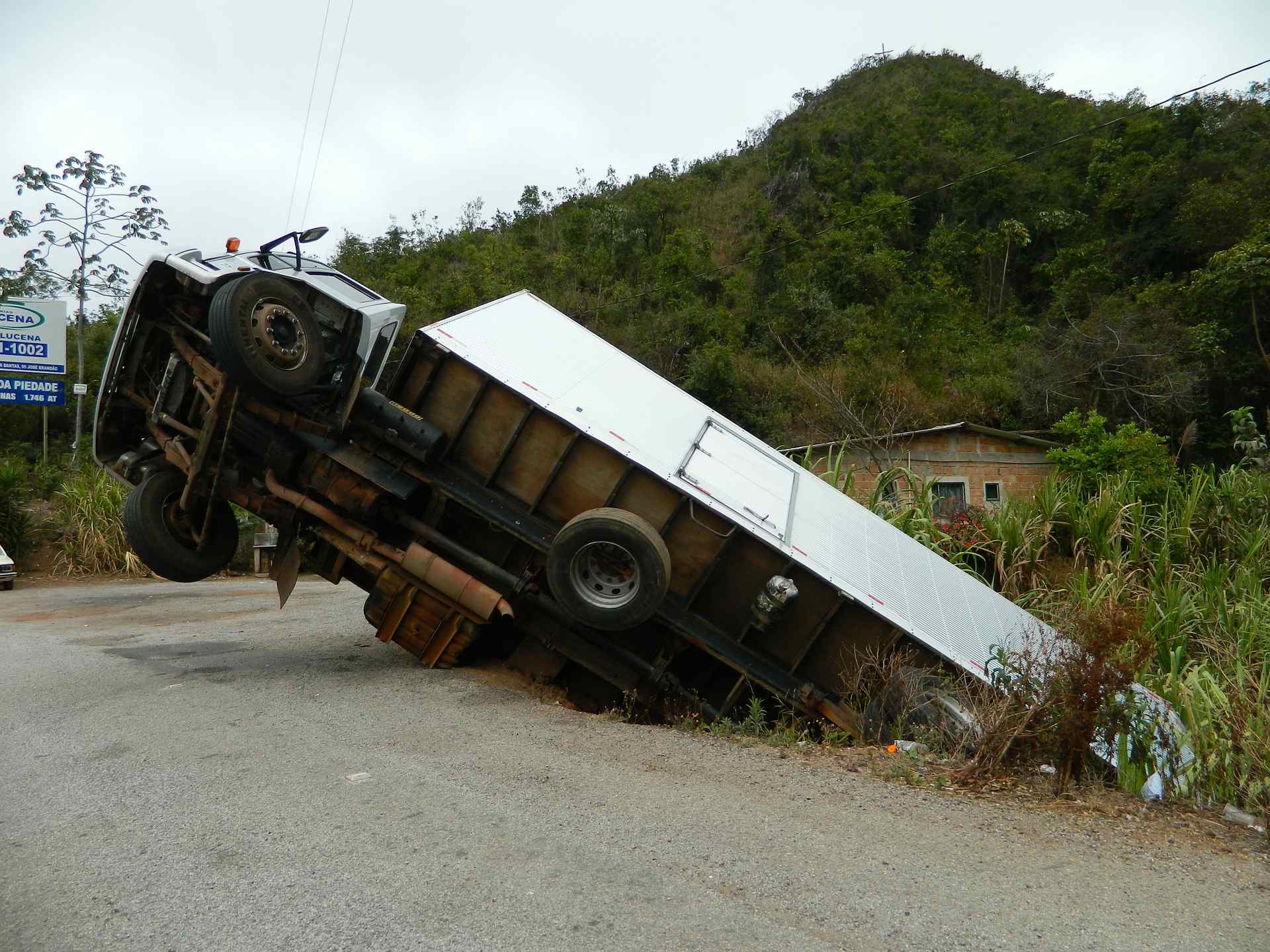
Wide Right Turn Truck Accidents in Downtown Intersections







Liability and Injury Risks in Downtown Intersections
Downtown intersections are some of the most dangerous places for large trucks to operate. When a truck makes a wide right turn, nearby drivers, cyclists, and pedestrians can be caught in blind spots or struck by the swinging rear of the vehicle.
These crashes often lead to severe injuries and complex legal questions. Vermont and New Hampshire both allow punitive damages in appropriate cases.
What Happens in a Wide Right Turn Truck Accident?
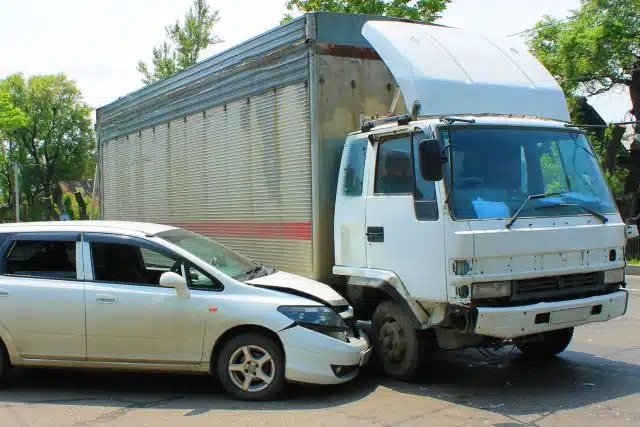
A wide right turn accident occurs when a large commercial truck swings left before turning right and collides with a person or vehicle in its path. Due to their size and turning radius, trucks require significantly more space than passenger vehicles.
If the driver fails to properly check blind spots or misjudges the turn, the truck can strike others nearby, leading to injuries and wrongful death cases in some instances.
Unlike standard car turns, trucks cannot pivot tightly. The driver must often move slightly into the adjacent lane before completing the right turn. This maneuver creates danger zones around the vehicle. If a cyclist, pedestrian, or car is positioned to the right or slightly behind the truck, they may not be visible to the driver.
The worst injuries often happen when:
- A biker is riding next to the truck in a bike lane.
- A person is walking in a crosswalk.
- A car is going straight while the truck starts to turn.
- The back wheels of the truck roll over someone after the first hit.
These crashes happen very fast. Many drivers say they “didn’t see” the person. But the law expects truck drivers to know about their blind spots and be extra careful.
Why Are Downtown Areas More Dangerous?
Downtown streets are more crowded and harder to drive in than highways or quiet neighborhoods. The roads are narrow. There are more cars. Many people are walking or biking. All of this makes crashes more likely.
Narrow Streets and Little Space
City streets often do not have much room to turn. Cars are parked on both sides. Delivery trucks take up space.
When a big truck tries to turn right, there is very little room for mistakes. The truck may move into another lane. Other drivers may not expect this. Even a small mistake can cause a crash.
Lots of People Walking and Biking
Downtown areas usually have many people walking and biking. There are crosswalks, bike lanes, bus stops, and outdoor restaurants.
People trust that drivers will stop and watch for them. But big trucks have large blind spots, especially on the right side and near the back wheels.
If a driver does not check carefully, they may hit someone in a crosswalk or bike lane.
Traffic Lights Can Be Confusing
Sometimes a person has a “walk” signal while a truck has a green light to turn. The driver is supposed to let people cross first. But in busy areas, mistakes can happen.
During rush hour:
- Cars crowd the intersection.
- Drivers rush to beat the light.
- Delivery trucks feel pressure to move fast.
All of this makes crashes more likely.
Things That Block the Driver’s View
Buildings, signs, buses, and parked cars can block what a truck driver sees.
Even with mirrors and cameras, drivers cannot see everything. If someone steps into the street from behind a parked car, the driver may not see them in time.
Truck drivers must be extra careful in these busy areas.
Common Causes of Wide Right Turn Crashes
These crashes usually happen because of both driver mistakes and busy road conditions.The common causes of wide right turn crashes include:
- Not Checking Blind Spots: Truck drivers must check their mirrors many times before and during a turn. A quick look is not enough in busy areas. Small cars or bikes can easily disappear from view.
- Not Using Turn Signals: Turn signals warn others that a truck is about to turn. If the driver does not signal early, people next to the truck may keep moving forward and end up in danger.
- Turning Too Fast: Wide turns must be slow and careful. Turning too fast gives the driver less time to react and fix a problem.
- Inexperienced Drivers: Driving a big truck in a busy city takes skill. New drivers may misjudge space or not notice how many people are nearby.
- Distracted Driving: If a driver looks at a phone, GPS, or message, even for a few seconds, they may miss someone in a blind spot.
- Poor Training or Supervision: Trucking companies must train their drivers properly. They must also make sure trucks are safe and well cared for.
- Poor Training or Supervision: Trucking companies must train their drivers properly. They must also make sure trucks are safe and well cared for.
If a company does not train drivers well, ignores safety problems, or fails to fix trucks, it may also share responsibility for the crash.
Who May Be Legally Responsible?
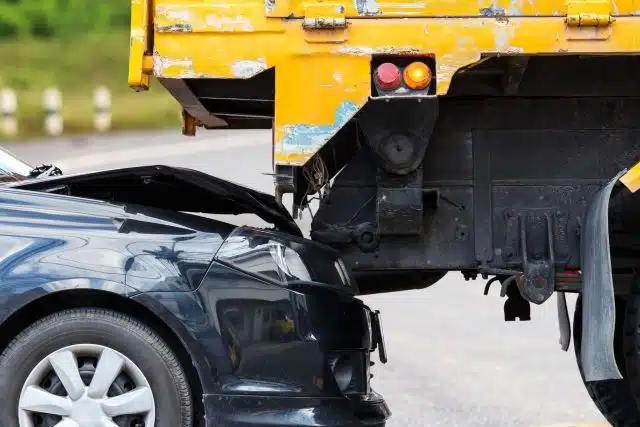
Determining legal responsibility in a wide right-turn accident depends on the specific circumstances of the collision. However, several parties may be accountable under negligence principles.
The Truck Driver
The truck driver is often the first party examined. Commercial drivers owe a duty of care to others on the roadway. This duty requires them to operate their vehicles safely, obey traffic laws, yield to pedestrians in marked crosswalks, monitor blind spots carefully, and signal their intentions appropriately.
If a driver fails to meet these obligations and that failure leads to a collision, the driver may be considered negligent.
The Trucking Company
The trucking company may also bear responsibility. Employers are generally liable for the actions of employees performed within the scope of their employment. In addition, a company can face direct liability for its own conduct.
For example, a carrier may be accountable if it hired an unqualified driver, failed to provide adequate training, ignored known safety violations, or neglected proper vehicle inspection and maintenance. In such cases, liability may rest with both the driver and the company.
Vehicle Manufacturers or Maintenance Providers
If faulty mirrors, cameras, or braking systems contributed to the accident, a third party may share responsibility. However, such cases require technical analysis.
Injuries Commonly Associated With These Accidents
The size and weight of commercial trucks can cause significant harm when involved in a wide right turn collision. The force generated by a turning tractor-trailer is substantially greater than that of a standard passenger vehicle, and individuals positioned near the truck often have little protection.
Pedestrian Injuries
Pedestrians are among the most vulnerable. When struck during a right turn, they may suffer broken bones, head trauma, internal bleeding, or spinal cord injuries. In particularly severe cases, a pedestrian may be pulled under the trailer, leading to catastrophic harm if the rear wheels roll over the victim.
Cyclist Injuries
Cyclists face similar risks. Even when traveling within a designated bike lane, a cyclist may be caught in a truck’s blind spot during a wide turn. Injuries frequently include traumatic brain injuries, crush injuries, multiple fractures, and extensive road rash.
While helmets provide some protection, the impact of a commercial truck can still result in life-altering consequences.
Occupant Injuries in Other Vehicles
Drivers and passengers in adjacent vehicles may also sustain serious injuries. Side-impact collisions during a wide turn can cause whiplash, rib fractures, shoulder injuries, and neck trauma.
The extent of injury often depends on the truck’s speed and the angle at which the vehicles collide.
How Liability Is Proven in These Cases
Establishing fault in a wide right turn truck accident requires a careful review of the available evidence. No single piece of information usually tells the entire story. Instead, investigators and attorneys rely on multiple sources to understand how the collision occurred and whether the driver acted reasonably under the circumstances.
Police Reports
Police reports are often the starting point. Responding officers document statements from drivers and witnesses, note road and weather conditions, record the status of traffic signals, describe visible injuries, and identify the final positions of the vehicles involved.
Although a police report does not make a binding legal determination of fault, it provides important context and may reference traffic violations or safety concerns observed at the scene.
Witness Statements
Witness statements can also be critical, especially in busy downtown areas where bystanders may have a clear view of the intersection. Independent observers may report whether the truck signaled properly, whether it swung wide before turning, whether a pedestrian had the right-of-way, or whether the truck appeared to be traveling too quickly.
Since these witnesses are not directly involved in the accident, their accounts can carry significant weight.
Surveillance and Traffic Cameras
Surveillance and traffic camera footage may further clarify the sequence of events. Many downtown intersections are monitored by city cameras or nearby businesses. Video recordings can show the timing of traffic lights, the position of pedestrians or cyclists, and the path of the truck as it executed the turn.
This objective evidence often helps resolve conflicting statements.
Vehicle Data
Commercial trucks frequently contain electronic systems that record operational data. These systems may capture information about speed, braking patterns, steering inputs, and turn signal activation. Reviewing this data can provide insight into the driver’s actions in the moments leading up to the impact.
Accident Reconstruction
In more complex cases, accident reconstruction experts may be retained to analyze vehicle damage, roadway markings, and measurements taken from the scene. Their analysis can help determine how the collision occurred and whether the truck’s turning maneuver was consistent with safe driving practices.
The Financial Impact of a Wide Right Turn Accident
Besides injuries to the body, wide right turn accidents can also cause big money problems. A serious crash can affect almost every part of a person’s life.
Victims may have to pay for emergency room visits, surgeries, hospital stays, and physical therapy. They may also need medicine and many doctor visits for months or even years. While healing, they might not be able to work. This can mean losing paychecks and feeling worried about money.
If the injury is permanent, the problems can last much longer. Some people may need special medical care, equipment like wheelchairs, or changes to their home. They may not be able to go back to the same job, which can lower how much money they earn in the future.
Truck accident claims are often harder than regular car accident claims. Trucking companies usually have bigger insurance policies. But their insurance companies often investigate the crash very closely. They may argue about who caused the crash or how serious the injuries are.
Knowing how fault and payment are decided can help injured people feel more prepared when dealing with an insurance claim.
Steps to Take After a Wide Right Turn Truck Accident
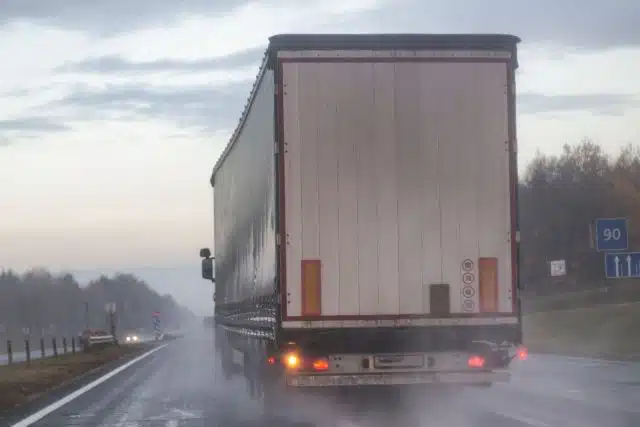
If you are involved in a wide right turn truck accident, certain steps can help protect both your health and your legal rights.
Seeking immediate medical attention is essential, even if injuries seem minor at first. Some conditions, such as internal injuries or concussions, may not present symptoms right away. Prompt medical evaluation creates documentation that may later become important evidence.
The accident should be reported to law enforcement so that an official record is created. Obtaining the truck driver’s contact information, employer details, and insurance information is also important. If it is safe to do so, documenting the scene with photographs or video can help preserve valuable evidence.
It is generally advisable to avoid providing recorded statements to insurance adjusters without fully understanding your rights. Keeping copies of medical records, bills, and receipts related to the accident can further support any future claim. Careful documentation in the early stages can play a significant role if questions about liability arise later.
Why These Cases Require Careful Evaluation
Wide right turn accidents in downtown intersections involve multiple legal and factual variables. Commercial vehicle safety standards, urban traffic patterns, pedestrian right-of-way rules, and federal trucking regulations may all intersect in a single incident.
Liability analysis is rarely straightforward. Small details, such as the timing of a traffic signal, the exact positioning of a cyclist, or the activation of a turn signal, can significantly affect how fault is determined. A thorough evaluation requires careful attention to evidence and applicable law.
While understanding the legal framework does not guarantee a specific outcome, awareness of how these cases are assessed can help injured individuals better navigate the process and make informed decisions about next steps
If you were injured in a wide right turn truck accident in a downtown intersection, consider speaking with a personal injury attorney from Sabbeth Law familiar with commercial vehicle liability. An experienced lawyer can review the facts of your situation, explain how local laws apply, and help you understand your legal options.
Client Testimonials
“Immediately after my son’s injury at work, he was treated poorly. Over the course of the next few days it became even worse, so I called Mike and he and Crystal have been absolute lifesavers during the process. Mike is not your typical stuffed suit lawyer who only cares about the bottom line he genuinely cares about his clients and his assistant Crystal is beyond amazing! My thanks to you both!”
LUKE PARMENTER
“I could never ask for a better attorney, to fight for me, to believe in me, and have faith in me, than what I found in Mike Sabbeth, He doesn’t treat you like a client, he treats you as if you are one of his own family members, He will fight for you, with all he has, and is ALWAYS up front and honest with you about everything!”
SANDRA DRUGE