
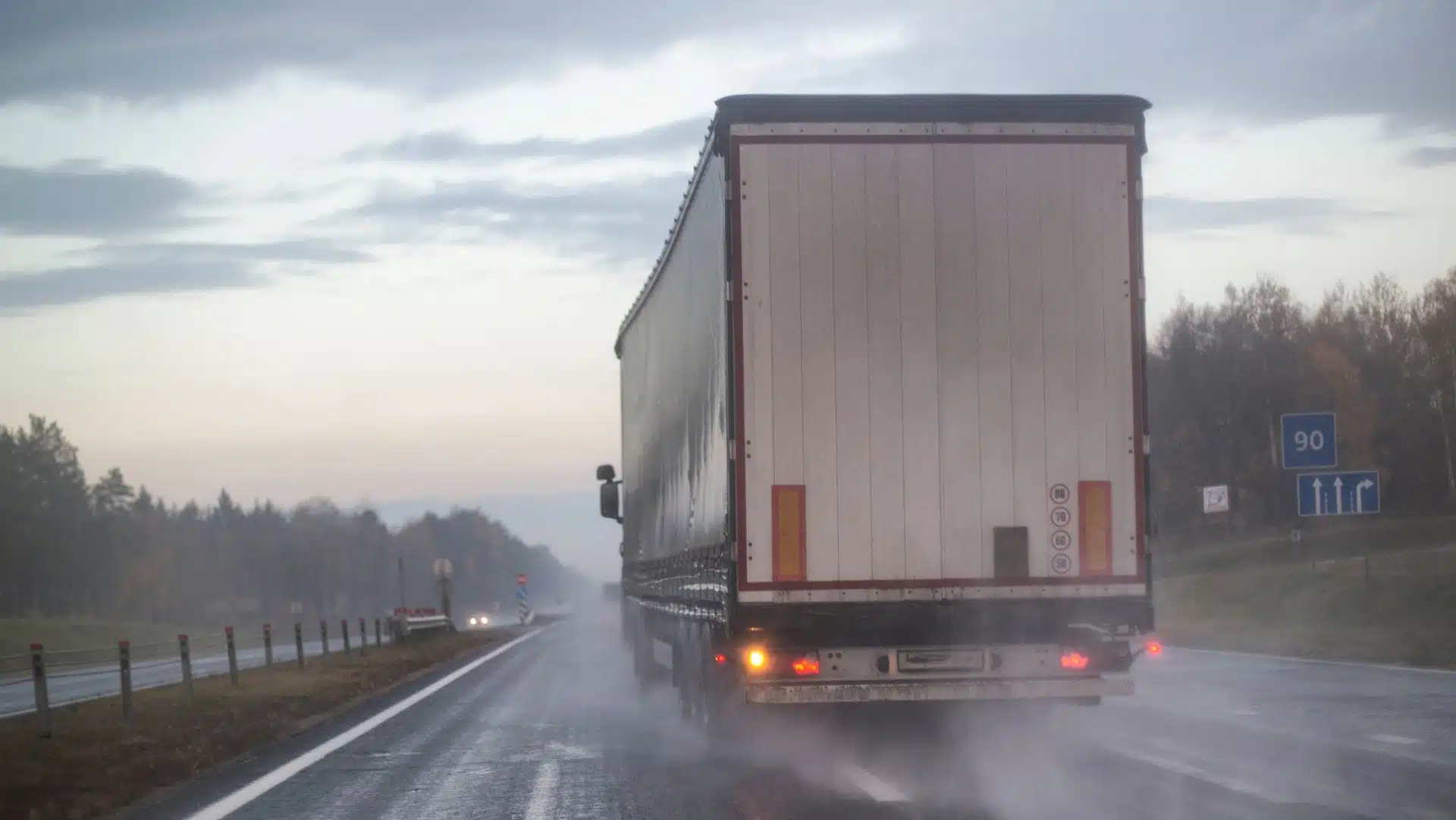
Enfield, Plainfield,Bow, Underride Truck Accidents: Why They Are So Dangerous and Often Fatal







Exploring The Risks Behind Underride Truck Crashes.
An underride truck accident occurs when a smaller vehicle slides beneath a large truck during a collision — often with devastating results. These crashes are among the most severe on the road because the truck’s frame bypasses a car’s built-in safety systems entirely. This guide explains why underride accidents are so dangerous, what causes them, and what options may be available to those affected.
What Makes Underride Truck Accidents So Deadly
In most collisions, a car’s crumple zones, airbags, and seatbelts work together to absorb the force of impact. Underride crashes are different. Because the truck’s frame sits above the car’s bumper, the trailer strikes the windshield or roofline directly — bypassing every built-in protection before it can engage.
The result is often a roof collapse, which is one of the leading causes of fatal injuries in underride crashes. These accidents generally fall into two categories:
- Rear underride collisions: These occur when a passenger vehicle slides beneath the back of a stopped or slowing truck.
- Side underride collisions: These happen when a vehicle goes under the side of a trailer during a turn, lane change, or crossing maneuver.
Federal law requires most large trucks to carry rear underride guards — metal bars designed to stop a car from sliding under the trailer. But side guards are not required under current federal law, and even rear guards can be weak, poorly maintained, or missing. In Vermont and New Hampshire, where rural highways like I-91 and I-89 carry heavy commercial traffic year-round, these gaps in protection are a real concern.
When a guard fails or is absent entirely, responsibility may fall on the truck driver, the trucking company, or the trailer manufacturer. Rules set by the Federal Motor Carrier Safety Administration (FMCSA) establish minimum standards for guard strength and placement, and violations of those rules can become important evidence in a legal claim.

When Underride Cases Get More Complex
Not every underride truck accident follows the same pattern. Depending on the circumstances, liability can shift, multiple parties may be involved, and the evidence required can vary widely from case to case.
- Multiple parties may share fault. A trucking company, trailer manufacturer, and cargo loader can all bear some responsibility for the same crash. If a rear guard was defective by design, the manufacturer may face a separate product liability claim alongside any negligence claim against the driver or carrier.
- Weather and road conditions are a factor — but not an excuse. Vermont and New Hampshire winters bring ice, low visibility, and reduced stopping distances. Poor conditions do not excuse a truck driver from their duty to operate safely. In some cases, ignoring weather risks can actually support a finding of greater negligence.
- Side underride crashes follow different legal rules. Because side guards are not required under federal law, these cases often rely on state law or product liability claims rather than federal safety standards. That distinction affects which parties can be held responsible and what standard of care applies.
- Hit-and-run crashes require fast action. If a truck leaves the scene, identifying the vehicle and its owner depends on quick evidence gathering. Witness statements, traffic camera footage, and weigh station logs can all help trace the truck.
- Wrongful death claims are common in these cases. Because underride injuries are so severe, many cases involve the loss of a loved one. Vermont and New Hampshire both allow surviving family members to pursue wrongful death claims, but filing deadlines vary by state — so acting promptly is important.
The Legal Process Of Making a Claim After an Underride Crash
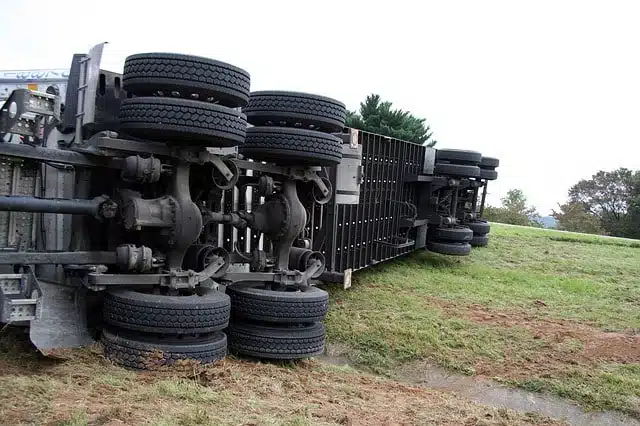
Pursuing a claim after an underride truck accident involves several steps. Each stage has its own timeline, and knowing what to expect can help reduce uncertainty along the way.
- Step 1: Get medical treatment and document your injuries. Seek care as soon as possible after the crash. Your health comes first — and medical records also serve as important evidence of the harm you suffered.
- Step 2: Preserve evidence quickly. Physical evidence can disappear fast after a truck crash. Photos, police reports, and witness statements should be gathered as soon as possible. Truck data recorders may only retain crash data for a short period.
- Step 3: File your claim within the deadline. Vermont and New Hampshire both allow three years from the date of injury to file a personal injury claim. Missing that deadline can permanently bar your right to seek damages, so acting promptly matters.
- Step 4: Enter the review and negotiation phase. Once a claim is filed, all available evidence — including police reports, medical bills, and FMCSA records — is reviewed. This phase can take several months. Most truck accident claims are resolved through settlement before ever reaching trial.
- Step 5: Go to court if needed. If a fair settlement cannot be reached, the case may proceed to litigation. Trials in Vermont and New Hampshire typically take one to two years from the date of filing.
When to Speak With an Attorney After an Underride Crash

If you or a loved one was injured in an underride truck accident in Vermont or New Hampshire, it may be helpful to speak with a truck accident attorney early in the process. These cases often involve commercial trucking regulations, electronic vehicle data, maintenance records, and other evidence that may not be available for long after a crash.
Questions About Underride Truck Accidents
Can I file a claim if I was a passenger, not the driver?
Yes. Passengers injured in underride truck accidents may still pursue compensation for medical expenses, lost income, pain and suffering, and other damages. Depending on the circumstances, claims may involve the truck driver, trucking company, or other potentially responsible parties.
Does it matter if the truck had no underride guard?
It can. Missing, defective, or poorly maintained underride guards may become an important factor in determining liability after a crash. In some situations, responsibility may extend beyond the trucking company to include maintenance providers, trailer owners, or manufacturers.
How long do I have to file a claim in Vermont or New Hampshire?
Vermont and New Hampshire both impose legal deadlines — known as statutes of limitations — for filing personal injury claims. Missing the applicable deadline may prevent you from pursuing compensation, which is why it is often important to act promptly after a crash.
What if the truck driver fled the scene?
Even in hit-and-run underride accidents, injured drivers and passengers may still have options for financial recovery. Police investigations, traffic camera footage, witness statements, and uninsured motorist coverage may all help identify the driver or provide compensation.
Will my case go to trial?
Many underride truck accident claims resolve through settlement negotiations, but some cases proceed to trial when disputes remain over liability, damages, or the available evidence. Factors such as crash reconstruction findings, electronic data, and maintenance records can all affect how a case is resolved.
Contact UsClient Testimonials
“Immediately after my son’s injury at work, he was treated poorly. Over the course of the next few days it became even worse, so I called Mike and he and Crystal have been absolute lifesavers during the process. Mike is not your typical stuffed suit lawyer who only cares about the bottom line he genuinely cares about his clients and his assistant Crystal is beyond amazing! My thanks to you both!”
LUKE PARMENTER
“I could never ask for a better attorney, to fight for me, to believe in me, and have faith in me, than what I found in Mike Sabbeth, He doesn’t treat you like a client, he treats you as if you are one of his own family members, He will fight for you, with all he has, and is ALWAYS up front and honest with you about everything!”
SANDRA DRUGE